Local
How to Read a Strike: Pickets, Ratification Votes and What the Numbers Mean
Meet in Common connects news with real conversations. Use ThinkMatch to arrange a Roundtable and meet people to discuss this story.
Source: The Press Times
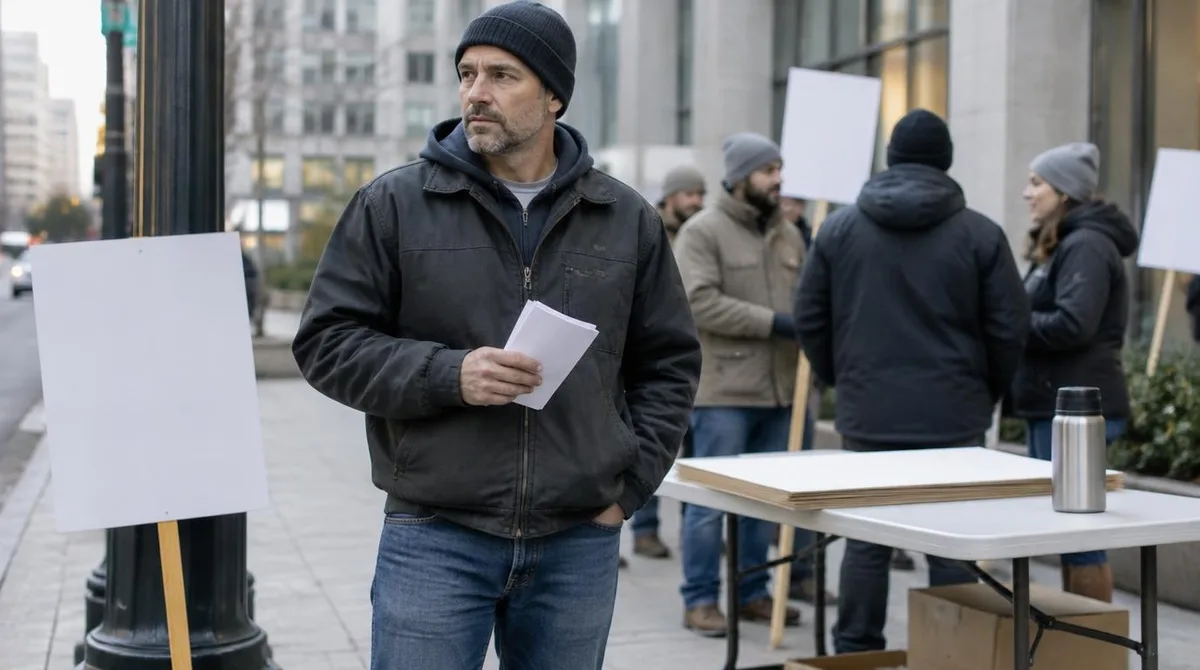
When workers walk out, headlines pile up fast: picket lines, vote counts, days lost. Most readers come away with a vague sense that something big happened, but not what any of it means. This guide explains the three moments that matter in strike actions — the strike vote, the picket line, and the ratification vote — and what each one tells you about where a dispute stands. The key qualification is this: a strike does not start when workers get angry, and it does not end when a deal is announced. It starts with a formal vote and ends with a second, separate vote. Everything in between is negotiation pressure, and reading it well means knowing which signals are procedural and which are theater. What does the word "read" actually ask of you? Interpreting strike coverage is an act of interpretation in the plain sense.
This excerpt comes from the named source. Read the original for the full reporting.
Read the original at The Press Times