Local
How Tulsa Celebrates the Fourth: Revolutionary Roots, Local Customs
Meet in Common connects news with real conversations. Use ThinkMatch to arrange a Roundtable and meet people to discuss this story.
Source: The Tulsa Times
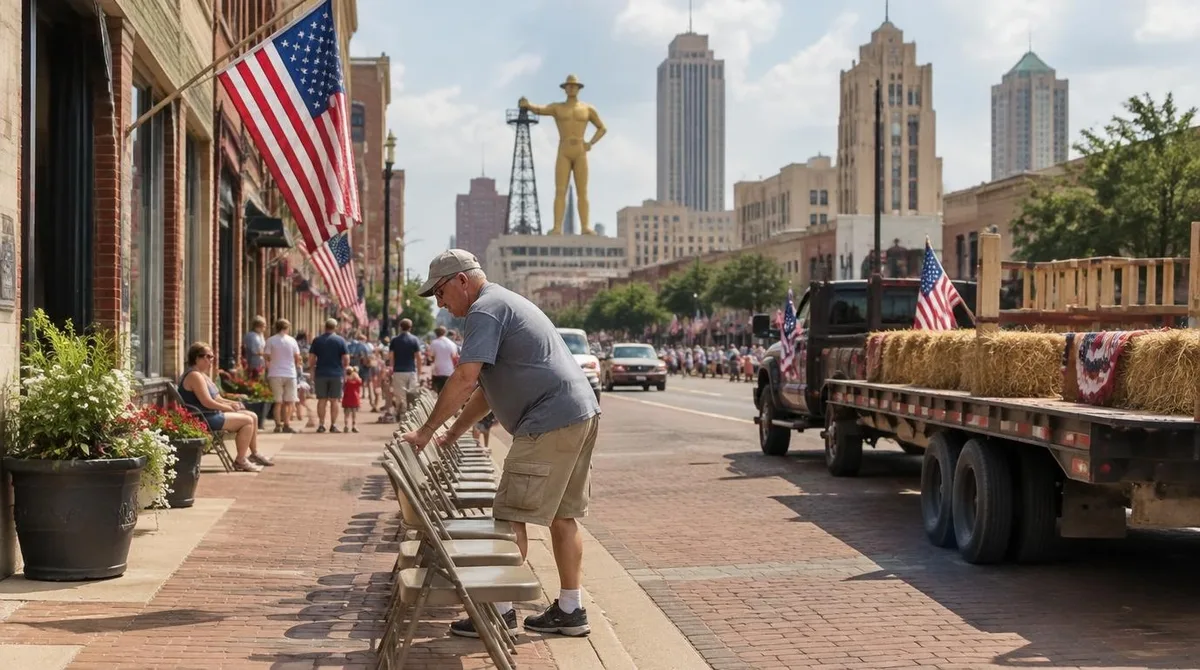
The Fourth of July in Tulsa looks like a familiar American holiday: backyard cookouts, a parade down a main street, fireworks over the river. But the customs behind it are older than the city by more than a century. They trace to commemorations that began in 1777, when Philadelphians marked the first anniversary of independence with bonfires, bells and fireworks, and they grew as the country grew. Understanding how those traditions formed — and how the events leading to the American Revolution shaped what people celebrate — helps explain why Tulsa's holiday looks the way it does. The city itself came much later. According to Wikipedia, Tulsa was settled between 1828 and 1836 by the Lochapoka band of Creek Native Americans and formally incorporated in 1898, so the town inherited national customs that were already well worn. What are the events leading to the American Revolution that the Fourth commemorates?
This excerpt comes from the named source. Read the original for the full reporting.
Read the original at The Tulsa Times