Local
HRC highlights St. Petersburg, outgoing Mayor Ken Welch in 15th MEI
A Roundtable is a way to meet new people and discuss this article in person at a local coffee shop or other venue.
Roundtables are designed for groups of four, with a shared subject and room for everyone to speak. Come for discussion, with no dating expectation.
Source: Watermark Out News
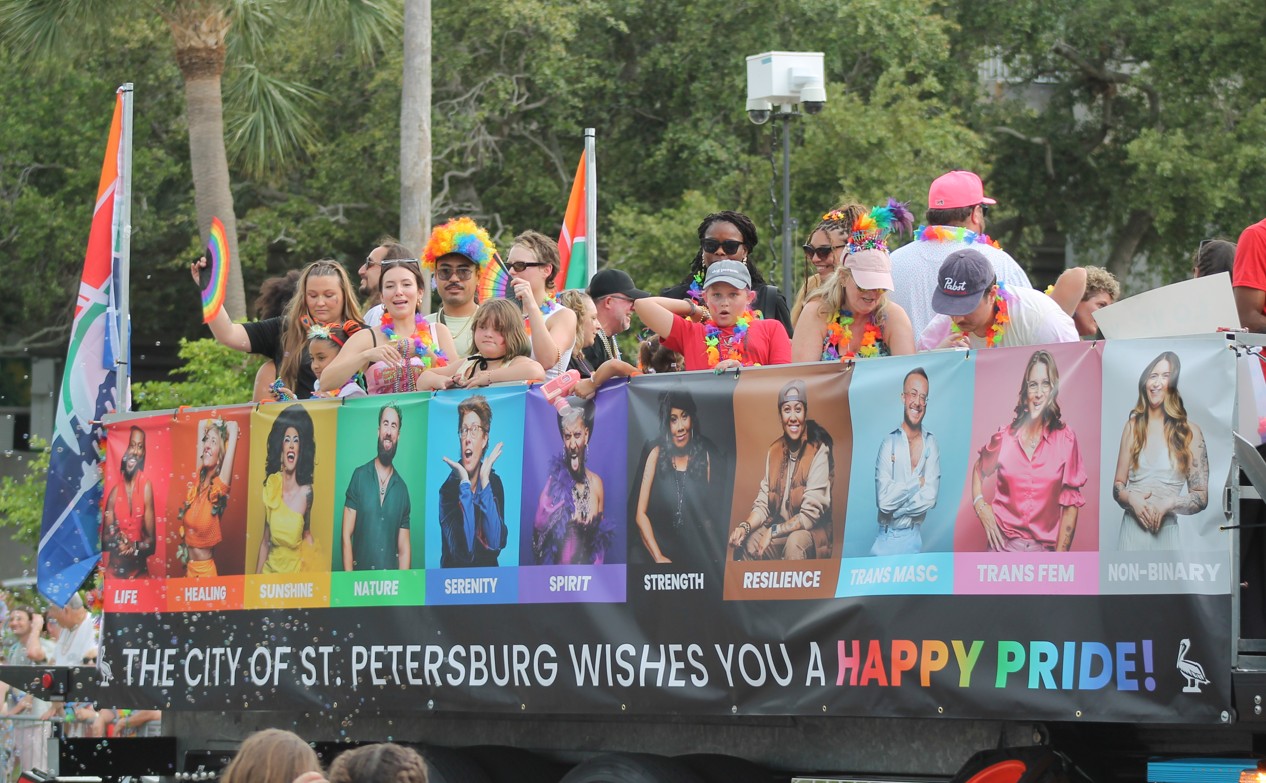
ST. PETERSBURG | The Human Rights Campaign released its 15th Municipal Equality Index Nov. 18, highlighting St. Petersburg’s inclusive leadership and policies while announcing it will now be issued on a biennial basis. The MEI examines how inclusive municipal laws, policies and services are for LGBTQ+ people who live and work in cities nationwide. No new scores were issued in 2026; instead, HRC highlighted trends since its inception. “Cities are the epicenters of equality. They’re where we live and work, where we raise our kids and grow old, and where neighbors know each other by name,” HRC President Kelley Robinson shared. “For generations, they’ve been where progress starts, long before it reaches a statehouse or the halls of Congress,” she continued. “When a city decides that everyone who lives, works, and visits there deserves to be protected, it changes lives in real time.
This excerpt comes from the named source. Read the original for the full reporting.
Read the original at Watermark Out News


