Local
Huang: Jestem gotowy powrócić na stanowisko dyrektora Nvidii
A Roundtable is a way to meet new people and discuss this article in person at a local coffee shop or other venue.
Roundtables are designed for groups of four, with a shared subject and room for everyone to speak. Come for discussion, with no dating expectation.
Source: Nowy Dziennik – Polish Daily News
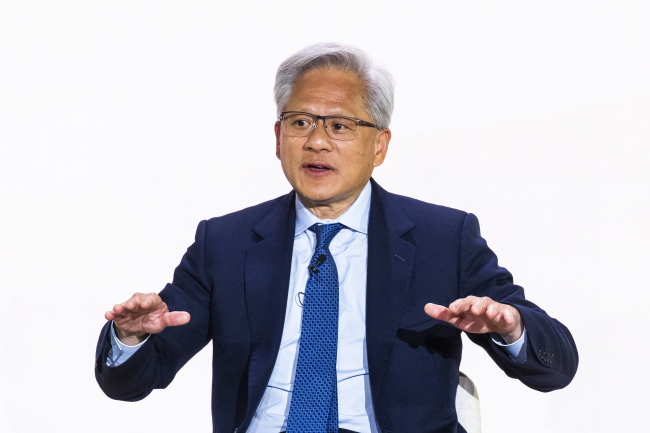
Były szef Nvidii Jensen Huang zadeklarował we wtorek, że jest gotowy powrócić do swojej poprzedniej roli, jeśli zdecyduje o tym zarząd spółki. Według „Wall Street Journal”, zarząd nie rozważa takiej opcji. W oświadczeniu opublikowanym na swoim koncie na platformie X, Huang przyznał, że „nie spełnił standardów” i popełnił „poważne błędy”, które wplątały firmę w problemy. Jednocześnie zwrócił uwagę na „przytłaczające” wsparcie ze strony ludzi z branży i próśb, by powrócił na swoje stanowisko. „Wiele osób nadal kontaktuje się ze mną bezpośrednio, podczas gdy firma zmaga się ze złożoną dynamiką technologiczną, rynkową, konkurencyjną i geopolityczną” – napisał biznesmen. „Jeśli Rada Dyrektorów uzna, że mój powrót leży w najlepszym interesie naszych akcjonariuszy, pracowników, firmy i Ameryki, będę zaszczycony, mogąc odpowiedzieć na te wezwania i powrócić jako dyrektor generalny” – dodał.
This excerpt comes from the named source. Read the original for the full reporting.
Read the original at Nowy Dziennik – Polish Daily News