Local
Human Skeletal Remains Found in Lebanon, Tennessee
A Roundtable is a way to meet new people and discuss this article in person at a local coffee shop or other venue.
Roundtables are designed for groups of four, with a shared subject and room for everyone to speak. Come for discussion, with no dating expectation.
Source: Hoodline
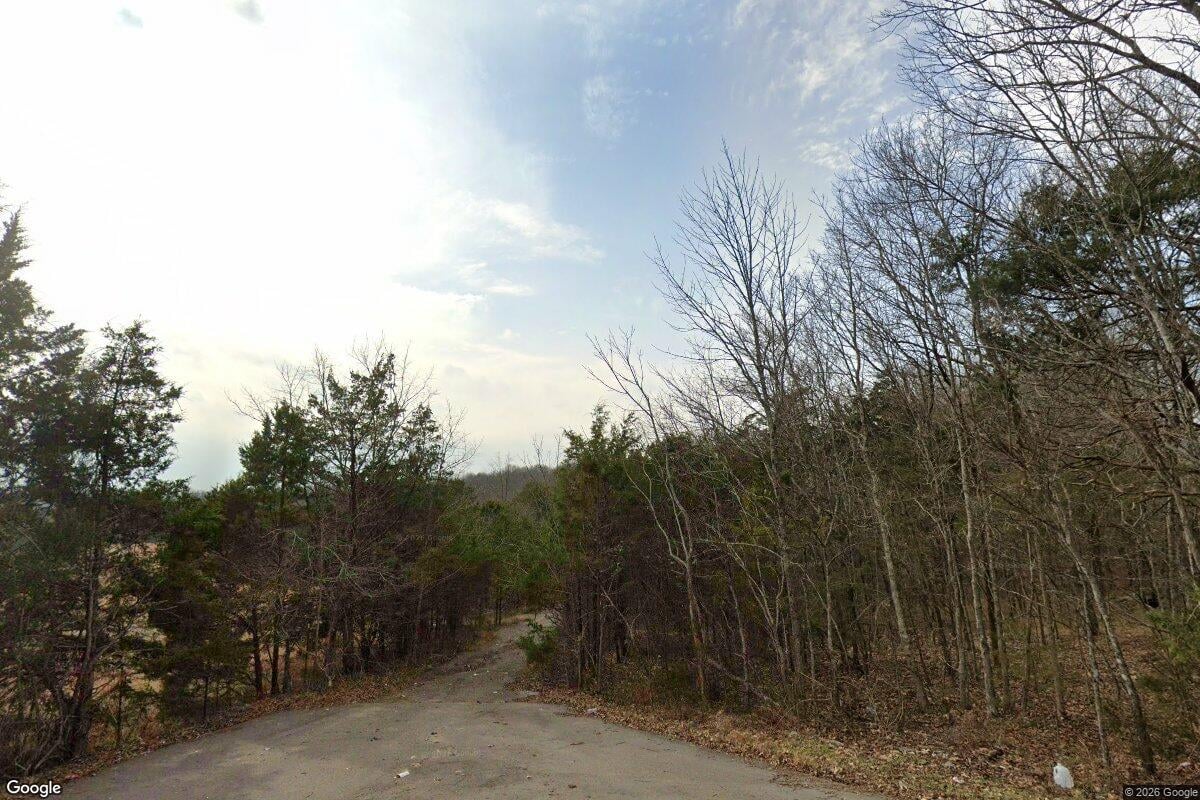
Human skeletal remains were discovered in a wooded area in Lebanon, Tennessee, after someone walking through nearby brush spotted bones and alerted authorities. Police say the remains appear to have been there for some time, and the investigation into how they got there, and who they belong to, is ongoing. According to NewsChannel 5, the discovery was made in the 100 block of Cedarwood Drive, where a person walking through the brush spotted bones, prompting a large police presence. A separate 2018 report from FOX 17 described a different discovery, saying investigators were tipped off to a vacant lot behind a theater on Legends Drive. Lebanon police said there is currently no evidence indicating foul play and no threat to the community. The remains appeared to have been in the area for some time. Authorities said they will work to identify the person and determine whether the remains match any missing-person cases, though no identity has been confirmed.
This excerpt comes from the named source. Read the original for the full reporting.
Read the original at Hoodline


