Local
Hun Chung Lee Finds Finesse in Clay, Concrete, and Steel – SURFACE
Meet in Common connects news with real conversations. Use ThinkMatch to arrange a Roundtable and meet people to discuss this story.
Source: www.surfacemag.com
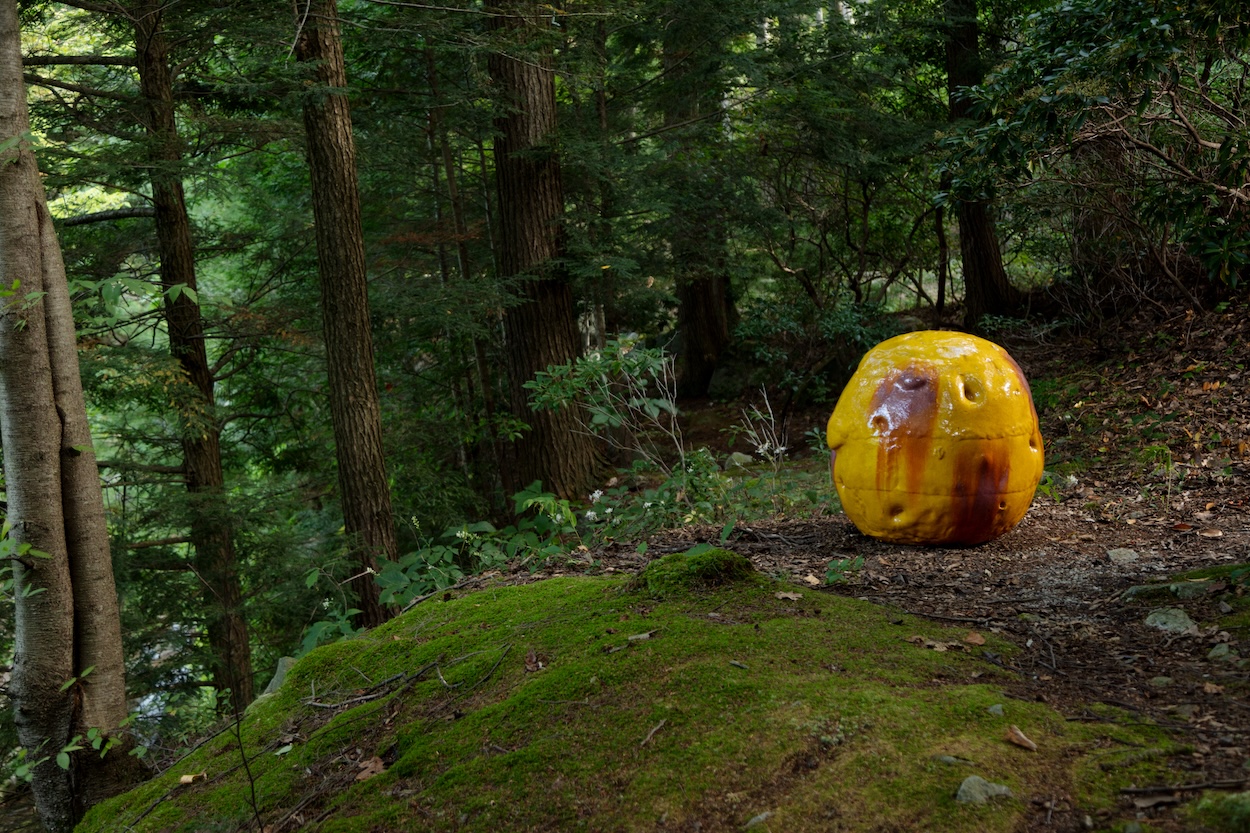
South Korean artist Hun Chung Lee has spent over 30 years building a ceramic practice that encompasses objects and extensive installations. At the heart of his work is a gentle use of color and raw forms that connect with the natural landscape, drawing on cycles of growth, erosion, and transformation. In “Where Immortals Sing and Dance,” his latest exhibition in collaboration with R & Company, Lee integrates ceramic works into the wooded grounds of MANITOGA / The Russell Wright Foundation, the modernist home, studio, and landscape created by Russel and Mary Wright in Garrison, New York. Tweet Facebook Pin It Email Copy url Bio: The extensive work of Hun Chung Lee (b. 1967) reflects both the breadth of his creative vision and his commitment to dissolving the boundaries between art, design, and architecture.
This excerpt comes from the named source. Read the original for the full reporting.
Read the original at www.surfacemag.com


