Local
‘I care about you’: CARE and CAPS programs here to help students
A Roundtable is a way to meet new people and discuss this article in person at a local coffee shop or other venue.
Roundtables are designed for groups of four, with a shared subject and room for everyone to speak. Come for discussion, with no dating expectation.
Source: The Exponent
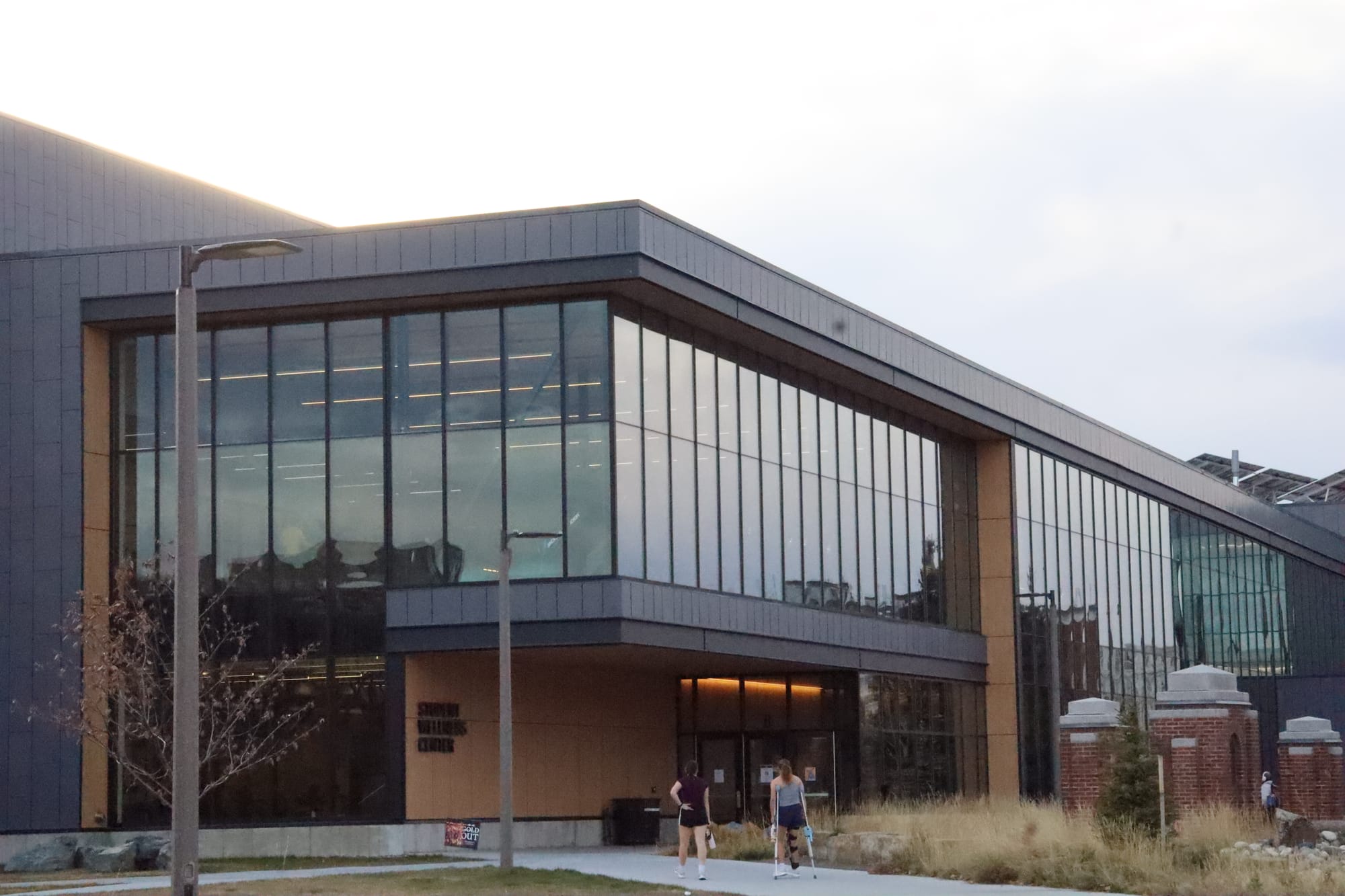
Editor’s Note: The contents of this article contain mention of suicide. Readers who may find this content distressing are encouraged to proceed with care. If you or someone you know is experiencing a mental health crisis, support is available. In Southwest Montana, Help Center, Inc. provides crisis counseling, advocacy, information, outreach and support to clientele in a safe, confidential environment. The Help Center operates a 24/7 Suicide and Crisis Line at 988 or 406-586-3333. MSU students can access confidential mental health support at Counseling and Psychological Services. For more information visit, montana.edu/wellness/counseling. On Friday, Nov. 6, Dean of Students Matt Caires sent an email to the MSU community reminding them to take care of all aspects of their health. The email outlined resources available to students, such as the Counseling and Psychological Services (CAPS), the 988 National Suicide Hotline and MSU’s Campus Assesment Response Evaluation (CARE) program.
This excerpt comes from the named source. Read the original for the full reporting.
Read the original at The Exponent