Local
‘I felt hopeless’: former resident testifies in first Wyoming Boys’ School trial
Meet in Common connects news with real conversations. Use ThinkMatch to arrange a Roundtable and meet people to discuss this story.
Source: WyoFile
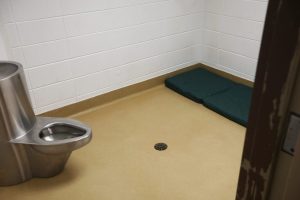
CASPER—Blaise Chivers-King, the former Wyoming Boys’ School resident suing staff over alleged abuse, was tormented by feelings of hopelessness and a desire to end his life after staff repeatedly confined him to a detention room with little connection to the outside world, he testified Tuesday at the trial spurred by his lawsuit. Images and video footage presented to the jury Tuesday showed Chivers-King attempting suicide or engaging in self harm while in detention, including at multiple points trying to strangle himself. The former boys’ school resident testified that staff told him to clean his blood after he had banged his head against the wall. He also tried to rip his braces off his teeth to use as an implement to stab himself. “I was just trying to do everything I can to just end it,” Chivers-King, who spoke softly, said. He began to quietly cry at one point as he recounted his desire to end his life.
This excerpt comes from the named source. Read the original for the full reporting.
Read the original at WyoFile


