Local
I grew up in the shadow of toxic waste that shocked the nation. The danger never went away.
Meet in Common connects news with real conversations. Use ThinkMatch to arrange a Roundtable and meet people to discuss this story.
Source: The New Lede
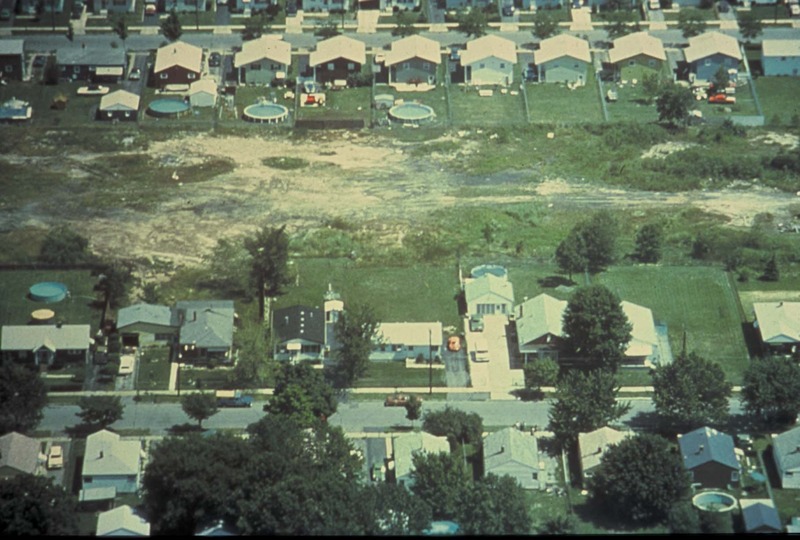
Listen to the audio version of this article (generated by AI). Fifty years ago, the Love Canal disaster put the issue of toxic waste on the map. The tragedy galvanized a national movement and spurred Congress to pass “Superfund” legislation, which — at least in theory — requires polluters to clean up their toxic messes. Despite that progress, the problem never really went away. Here in Niagara Falls, New York, long-buried toxins are resurfacing. But so is the movement to rid our communities of these poisons forever. A new generation of activists, armed with cellphones and radiation detectors, is discovering the shocking extent of industrial pollution in this once-magnificent city. And they are demanding action. Love Canal was a half-mile-long canal into which the Hooker Chemical Corporation dumped leftover hazardous chemical compounds. Hooker covered the waste with dirt and then — incredibly —s old the land to the local school board for $1.
This excerpt comes from the named source. Read the original for the full reporting.
Read the original at The New Lede