Local
Illinois legislation could help more survivors of campus sexual assault stay in college
A Roundtable is a way to meet new people and discuss this article in person at a local coffee shop or other venue.
Roundtables are designed for groups of four, with a shared subject and room for everyone to speak. Come for discussion, with no dating expectation.
Source: Chicago Sun-Times
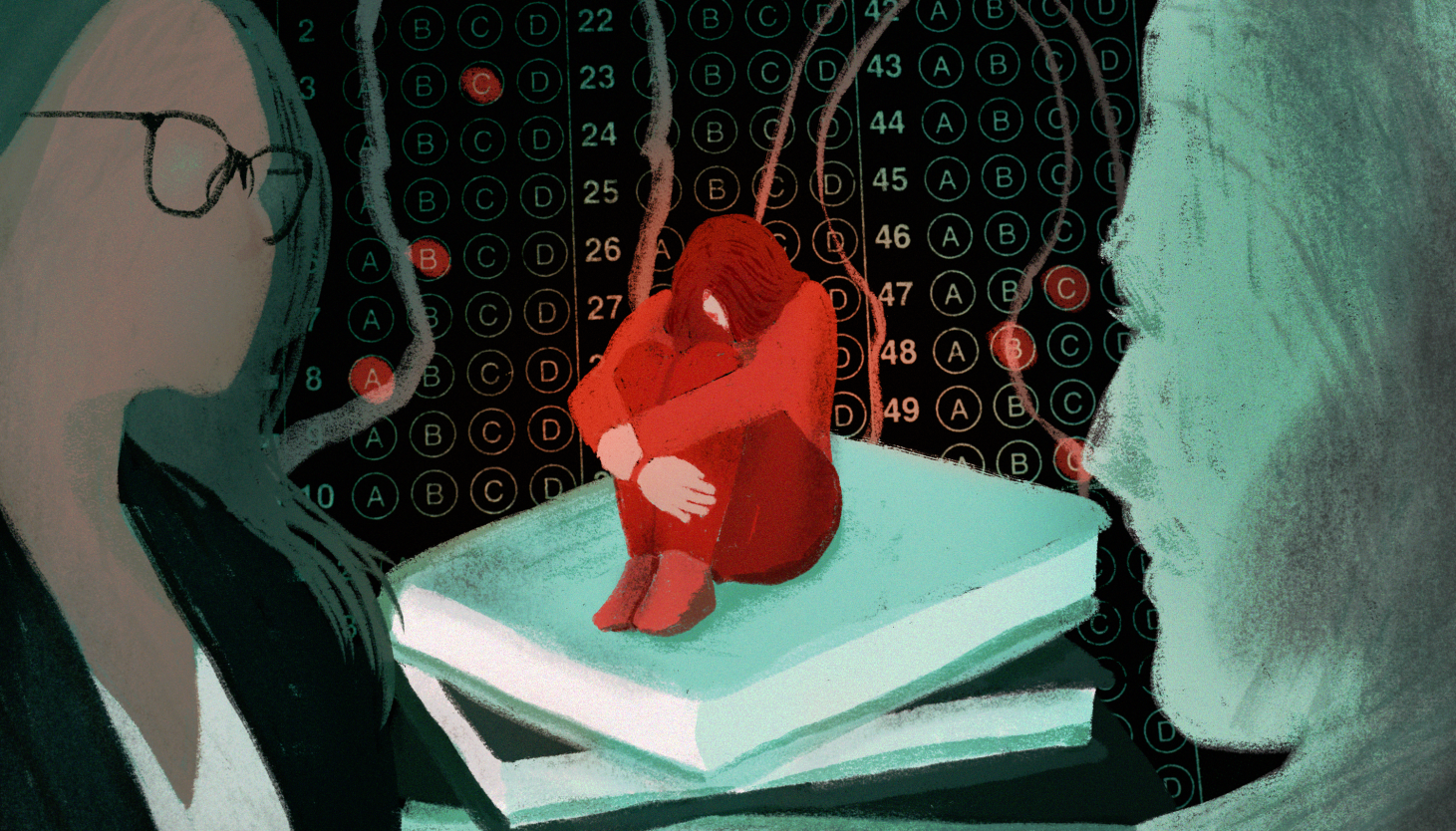
Northwestern University senior Erika Ruiz-Yamamoto nearly dropped out of school two years ago after reporting her sexual assault to college officials. The aspiring doctor struggled to process what happened to her while juggling intense classes in what’s known as a “weed-out year” for premedical students. She requested basic accommodations for her schoolwork, like more time to complete assignments. But Ruiz-Yamamoto said professors and administrators repeatedly denied her requests because they didn’t want to set a precedent for other students. She had to take a biology exam two days after she was assaulted. “It felt like it was a constant situation of me having to demonstrate or convince or put on a show of just how badly I needed their assistance or their empathy,” Ruiz-Yamamoto said.
This excerpt comes from the named source. Read the original for the full reporting.
Read the original at Chicago Sun-Times


