Local
Illinois traffic deaths drop 20% in first half of 2026: report
Meet in Common connects news with real conversations. Use ThinkMatch to arrange a Roundtable and meet people to discuss this story.
Source: FOX 32 Chicago
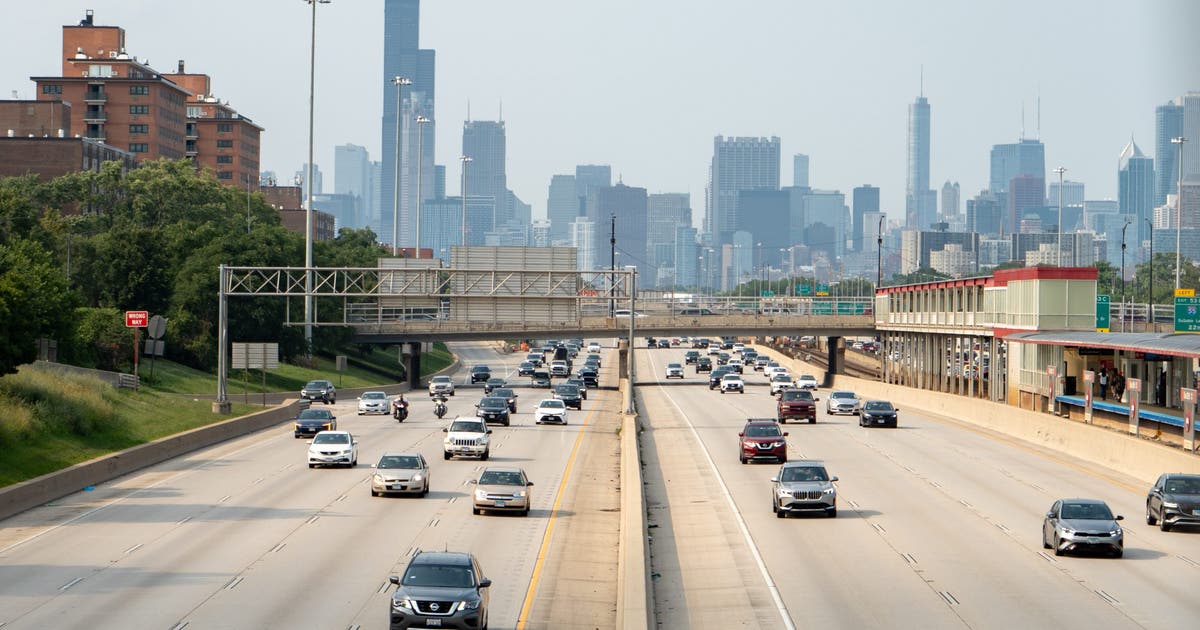
Car traffic is seen on a highway with the Chicago skyline in the background in Chicago, Illinois, United States, on July 26, 2026. (Photo by Marcin Golba/NurPhoto via Getty Images) (Getty Images) CHICAGO - Fewer people died on Illinois roads during the first half of 2026 than during the same period last year, following a national trend. Traffic deaths in Illinois By the numbers: Between January and June, 453 people were killed in crashes across Illinois, according to a new report from the National Highway Traffic Safety Administration. That's 116 fewer deaths than the state saw during the first six months of 2025. Federal officials say these numbers are early estimates and could shift slightly once final state crash reports are processed. Illinois roads also got safer when factoring in how much people drive. The state's fatality rate fell from 1.11 deaths per 100 million miles driven in early 2025 to 0.88 in early 2026, putting it below the national average of 1.02. Illinois vs.
This excerpt comes from the named source. Read the original for the full reporting.
Read the original at FOX 32 Chicago