Local
Illustrated Children’s Book Examines How Patience and Kindness Help a Frightened Stray Cat Learn to Trust
A Roundtable is a way to meet new people and discuss this article in person at a local coffee shop or other venue.
Roundtables are designed for groups of four, with a shared subject and room for everyone to speak. Come for discussion, with no dating expectation.
Source: Big Bear Grizzly Weekender
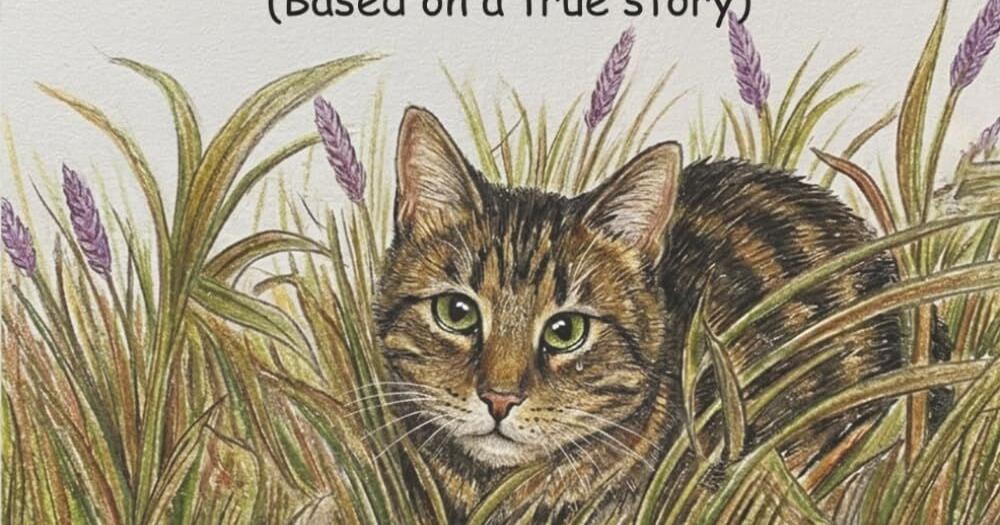
Dallas, Texas, United States - November 14, 2026 - The gradual process of helping a frightened animal feel safe is at the center of Cassie’s Story by Janet Massey. Based on real events and told from the cat’s perspective, the illustrated children’s book connects everyday acts of care with the development of trust, companionship, and belonging.Initially nameless and alone, the tabby takes refuge beneath a backyard deck. A woman’s patient visits gradually encourage her to accept human contact, while regular meals establish a dependable routine. Alongside these encounters, a friendship develops with Rex, the family dog, whose presence becomes part of the cat’s changing understanding of home.The recurring question of the cat’s name connects recognition with belonging. As she grows closer to the household, her longing extends beyond meals and a dry bed to becoming part of the family.
This excerpt comes from the named source. Read the original for the full reporting.
Read the original at Big Bear Grizzly Weekender


