Local
Immigrant detention center in Tacoma sold to ICE for $453 million
A Roundtable is a way to meet new people and discuss this article in person at a local coffee shop or other venue.
Roundtables are designed for groups of four, with a shared subject and room for everyone to speak. Come for discussion, with no dating expectation.
Source: KNKX
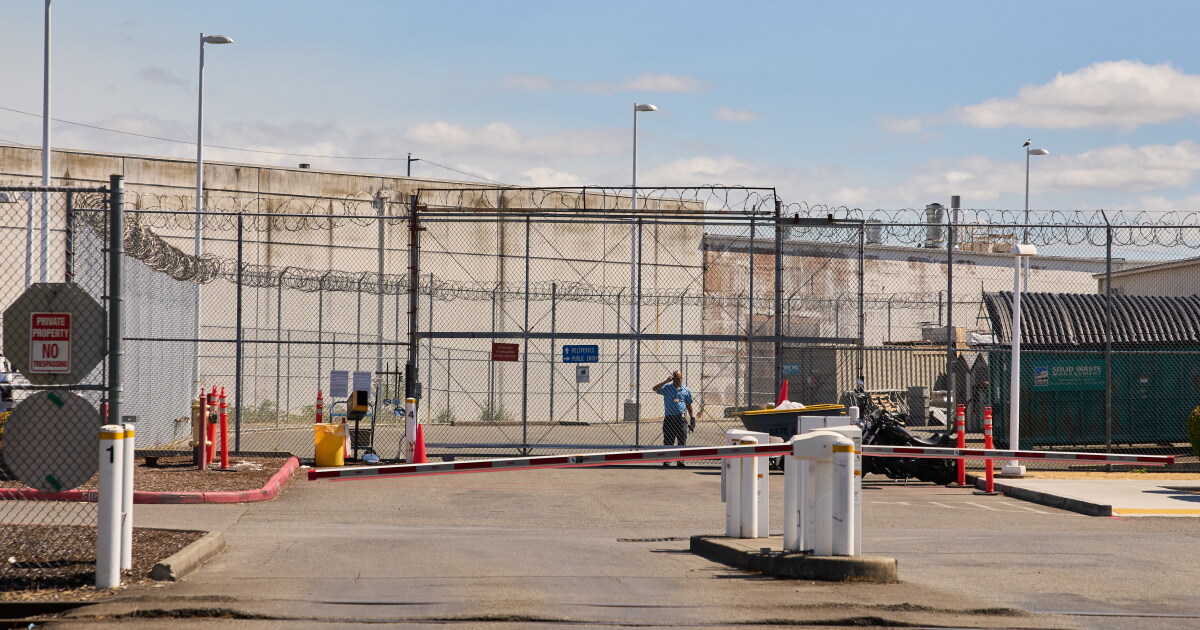
Bluesky Threads Facebook Email The Northwest ICE Processing Center in Tacoma is now owned by the federal government. The private GEO Group announced the $453 million sale of the large detention facility to the U.S. Department of Homeland Security Wednesday morning. In a statement, GEO Group said it expects to see $340 million in net proceeds. The Tacoma facility was built in 2004. The Florida-based GEO Group has owned and managed it since 2005 and quickly expanded capacity from 500 beds to an estimated 1,575 beds. The detention center, located on J Street in Tacoma, has long been the focus of protests by immigrant and human rights advocates, as well as condemnations from local, state and federal leaders seeking to inspect conditions there. Washington lawmakers have called for the facility’s closure. Washington state sued GEO Group earlier this year in an attempt to force the company to allow inspections by the Department of Health.
This excerpt comes from the named source. Read the original for the full reporting.
Read the original at KNKX