Local
Immigration rules put North Dakota families in reunification limbo
A Roundtable is a way to meet new people and discuss this article in person at a local coffee shop or other venue.
Roundtables are designed for groups of four, with a shared subject and room for everyone to speak. Come for discussion, with no dating expectation.
Source: McKenzie County Farmer
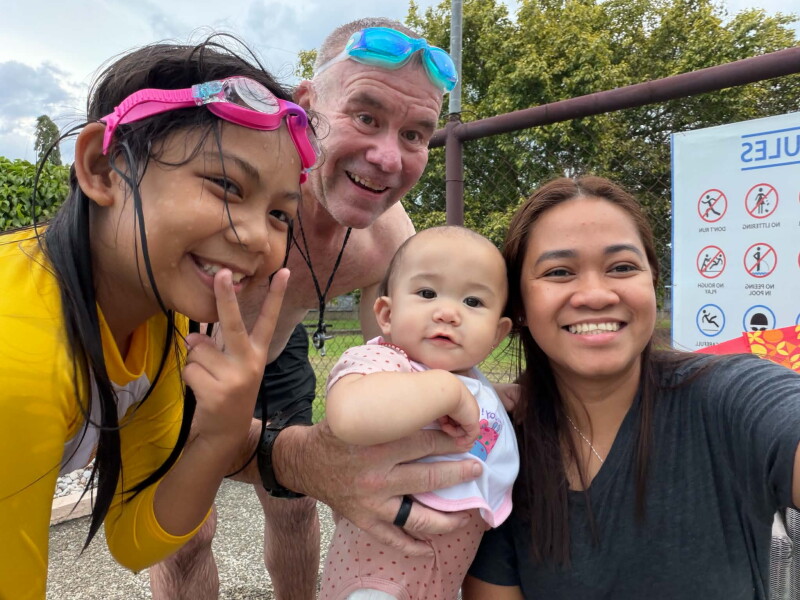
U.S. citizen residents of North Dakota face extended delays in getting immigration visas for spouses, children and parents amid recent pauses in processing at embassies abroad and a general immigration crackdown at home. Those families, who say they have followed the law, provided the documents and paid substantial fees to the U.S. Citizenship and Immigration Services (USCIS) for visas or resident green cards for their family members, increasingly feel their cases are being ignored. Bismarck resident David Schaack and his wife Janeth, a resident green card holder formerly of the Philippines, have waited more than a year for an immigrant visa interview for Janeth’s 9-year-old daughter Stefhe from a previous relationship. Janeth, who will formally get her citizenship in March of 2028, cannot go to the Philippines to be with her daughter for longer than five months. Doing so could impact her green card status as well as her citizenship application process.
This excerpt comes from the named source. Read the original for the full reporting.
Read the original at McKenzie County Farmer