Local
In college football, "best" doesn't really mean best and clarity is just a pipe dream
A Roundtable is a way to meet new people and discuss this article in person at a local coffee shop or other venue.
Roundtables are designed for groups of four, with a shared subject and room for everyone to speak. Come for discussion, with no dating expectation.
Source: Chicago Sun-Times
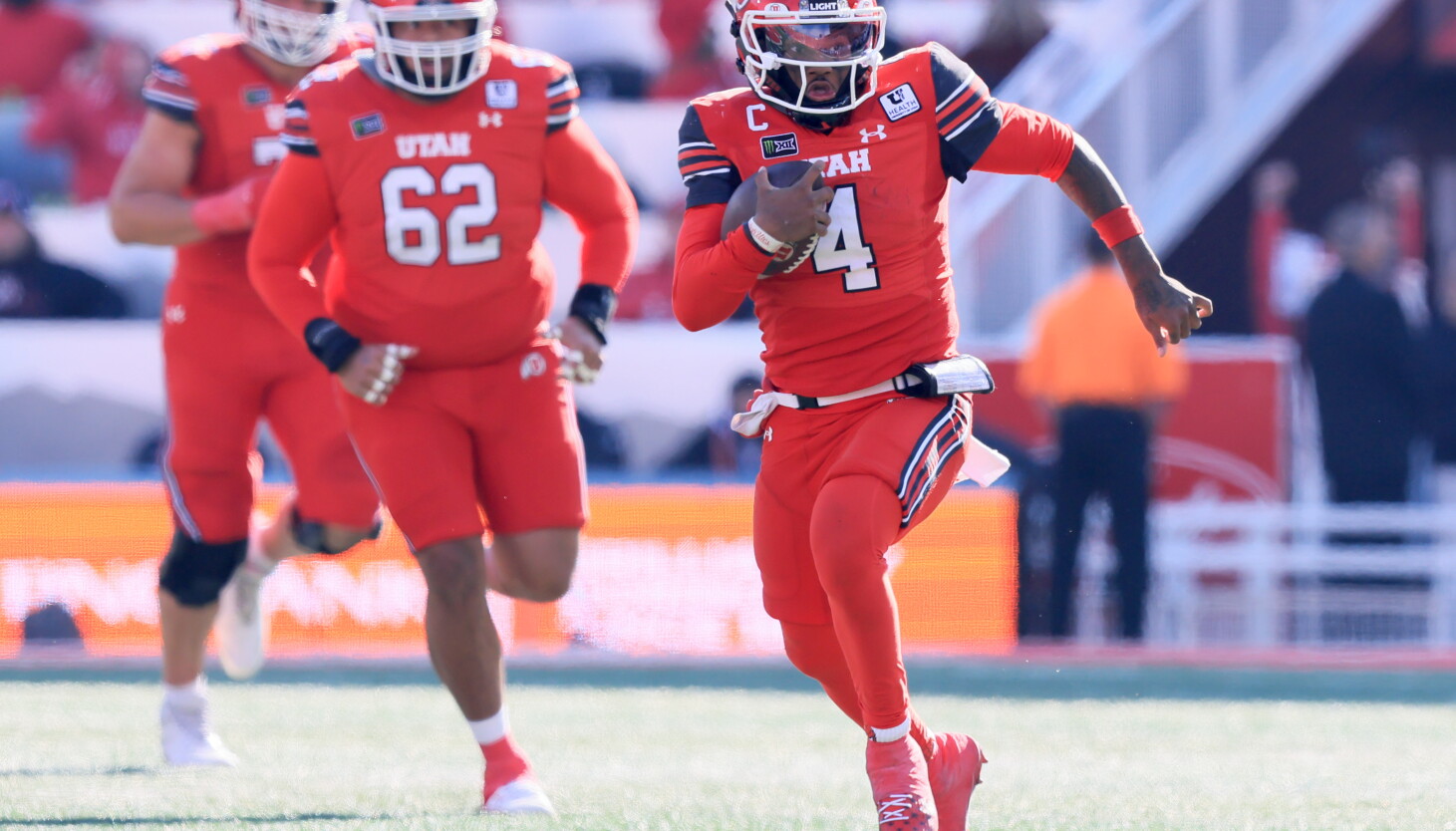
On a media conference call this week, College Football Playoff selection committee chairman Hunter Yurachek said the margins between the ‘‘six or seven’’ teams following No. 1 Georgia and No. 2 Utah in the rankings are ‘‘razor-thin.’’ As for the top two, however, there is no doubt in the committee room. ‘‘I think we’ve got a pretty clear understanding [about that],’’ Yurachek said. If only. CFP decision-making — since the start in 2014 — never has been clear enough. And the bigger the playoff gets (the field will double from 12 teams to 24 next season), the easier it’ll be to punch holes in any committee theory. Take Utah, a Power Four team that, based on its 10-0 record, has an obvious case for prime seeding in the playoff. But the committee’s own marching order is to seed teams in order of ‘‘best,’’ not ‘‘most deserving,’’ and this is where being completely honest about the Utes becomes next to impossible.
This excerpt comes from the named source. Read the original for the full reporting.
Read the original at Chicago Sun-Times


