Local
In first speech as Mayo Clinic CEO-elect, Dr. Matthew Callstrom says healthcare is at a critical juncture
A Roundtable is a way to meet new people and discuss this article in person at a local coffee shop or other venue.
Roundtables are designed for groups of four, with a shared subject and room for everyone to speak. Come for discussion, with no dating expectation.
Source: Post-Bulletin
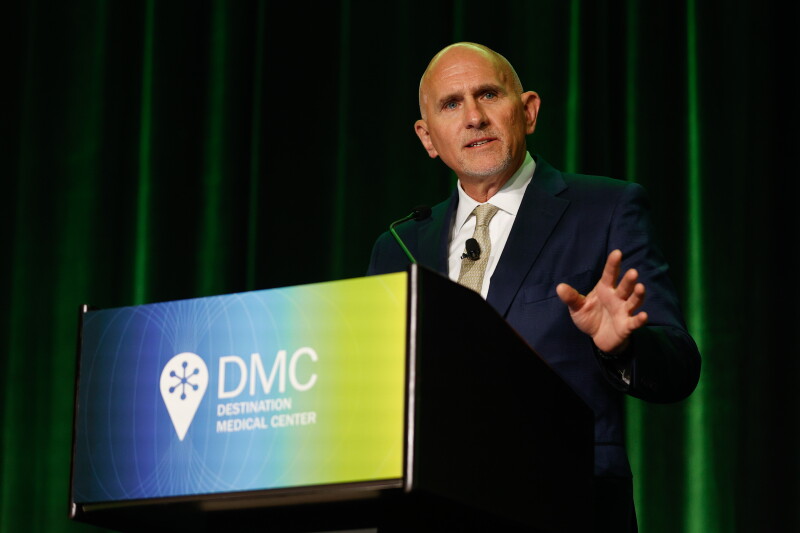
ROCHESTER — At Destination Medical Center's Annual Meeting Luncheon in Rochester, Mayo Clinic president and CEO-elect Dr. Matthew Callstrom described Minnesota as the epicenter of healthcare transformation. "We talk big and think big, and we act big," Callstrom said Friday, Nov. 20. "And we're going to elevate healthcare for everyone globally." In his first public remarks since being named Mayo Clinic's next chief executive, Callstrom, a radiologist and artificial intelligence leader, spoke to Mayo Clinic's part in the 11-year, Rochester-focused economic development initiative. "We've increased our economic impact by over 90% over the last decade, largely in partnership with the DMC," he said. To a crowd of DMC architects and stakeholders, Callstrom said healthcare is at a critical juncture. This was something his predecessor, Dr. Gianrico Farrugia, anticipated, he said.
This excerpt comes from the named source. Read the original for the full reporting.
Read the original at Post-Bulletin


