Local
In Memoriam: Hilda Ruth Mader Wilcox
A Roundtable is a way to meet new people and discuss this article in person at a local coffee shop or other venue.
Roundtables are designed for groups of four, with a shared subject and room for everyone to speak. Come for discussion, with no dating expectation.
Source: All Otsego
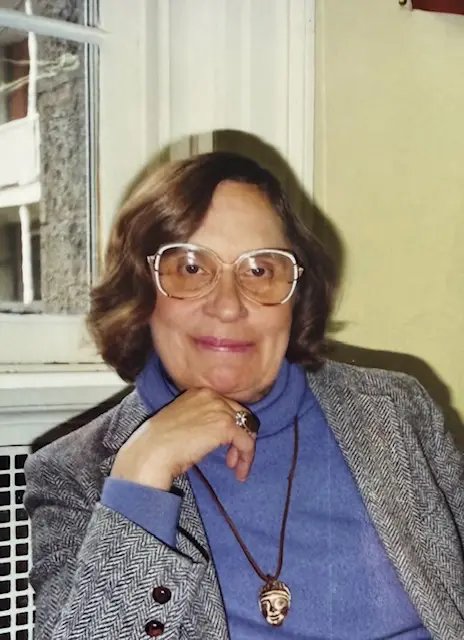
Hilda Ruth Mader Wilcox1929-2026 HERKIMER—Hilda Ruth Mader Wilcox, 97, died on Wednesday, November 4 in Herkimer, New York. She was born in Utica, New York on February 8, 1929 to Erna and Wenzel Mader and lived most of her life in Cooperstown, New York.Both her parents were of German descent; her father emigrated from Germany, and her mother was second-generation German, the daughter of a wood carver. Wenzel became a successful painter and paperhanger in Utica, New York, where Hilda grew up. She had two elder sisters, Erna and Marian, and a brother, Elmer, who died at age 11 before she was born. Growing up in Utica, Hilda pursued piano, drama, voice lessons and painting. She spent her summers at the family’s old farmhouse in Bardwell Mills, New York in the foothills of the Adirondacks, where she would swim, fish and catch frogs.
This excerpt comes from the named source. Read the original for the full reporting.
Read the original at All Otsego


