Local
In Memoriam: Joelyn Cornwell
A Roundtable is a way to meet new people and discuss this article in person at a local coffee shop or other venue.
Roundtables are designed for groups of four, with a shared subject and room for everyone to speak. Come for discussion, with no dating expectation.
Source: Syracuse University News
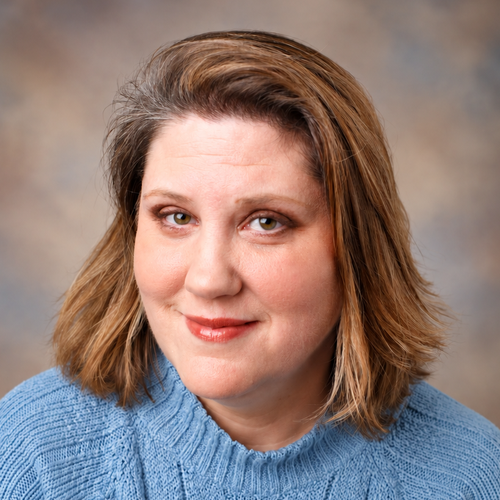
Arts & Humanities Arts & Humanities In Memoriam: Joelyn Cornwell A forensic scientist and laboratory quality assurance expert, Cornwell shared decades of professional experience with students in Syracuse University's Forensics Institute. Nov. 24, 2026 Estimated Reading Time: Share × Video Player The College of Arts and Sciences remembers Joelyn M. Cornwell, a part-time instructor in the Forensic and National Security Sciences Institute, who passed away on Oct. 24, 2026. A forensic chemist and laboratory quality assurance leader, she devoted her career to public service and to advancing the standards of forensic science. Cornwell worked in several crime laboratories throughout her career, including the New York State Police, Westchester County Department of Laboratories and Research, Onondaga County Center for Forensic Sciences and the Southwest Institute of Forensic Science in Dallas.
This excerpt comes from the named source. Read the original for the full reporting.
Read the original at Syracuse University News


