Local
In this class, voting is on the syllabus
Meet in Common connects news with real conversations. Use ThinkMatch to arrange a Roundtable and meet people to discuss this story.
Roundtables are designed for groups of four, with a shared subject and room for everyone to speak. Come for discussion, with no dating expectation.
Source: Stanford School of Humanities and Sciences
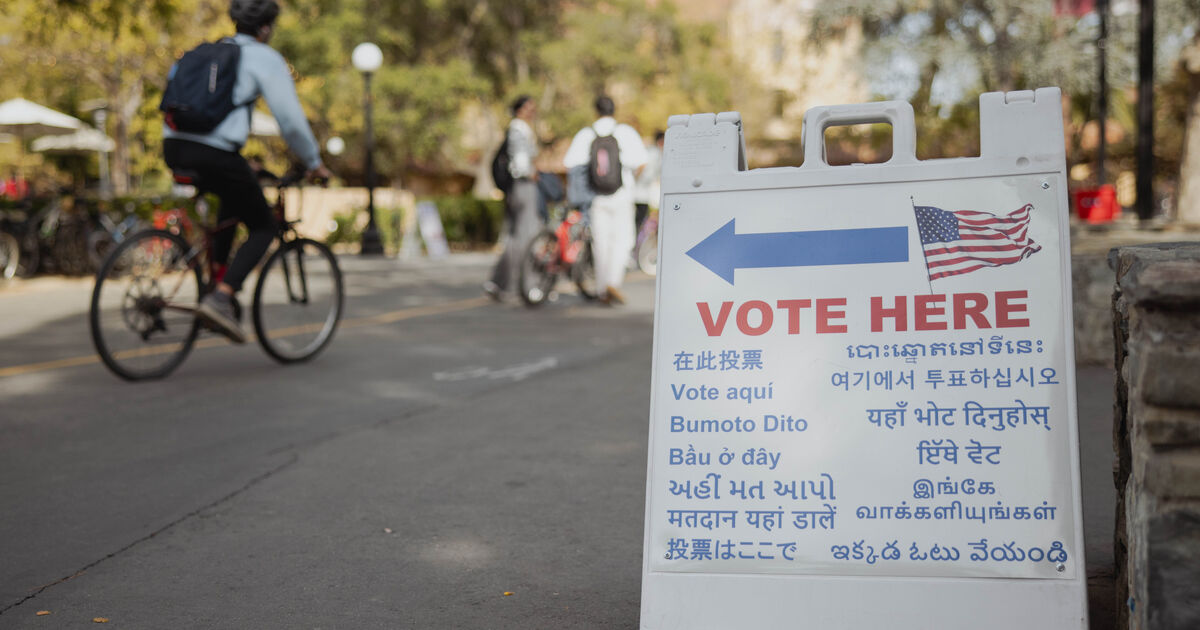
In the course The 2026 U.S. Election, students don't just learn about the political process; they participate in it: They vote (if eligible) and canvass for a candidate or issue of their choice. Sophomore Yolanie Cuevas’ sociology homework included finding a way to get inside a Los Angeles apartment building to knock on doors of potential voters. For her classmate Caleb Polster, also a sophomore, the barrier to completing his assignment was even greater. He had to figure out how to canvass for a candidate in rural Northern California who had no volunteer infrastructure at all. These challenges were part of the fall quarter course The 2026 U.S. Election: How to Understand and Participate, taught by Michael Rosenfeld, professor of sociology in the School of Humanities and Sciences. To deliver on both parts of its title, the course meets for lecture and in discussion sections where students talk about the results of their required fieldwork volunteering for a campaign.
This excerpt comes from the named source. Read the original for the full reporting.
Read the original at Stanford School of Humanities and Sciences