Local
Indiana residents warned about illegal pesticide product
Meet in Common connects news with real conversations. Use ThinkMatch to arrange a Roundtable and meet people to discuss this story.
Roundtables are designed for groups of four, with a shared subject and room for everyone to speak. Come for discussion, with no dating expectation.
Source: Newsbug.info
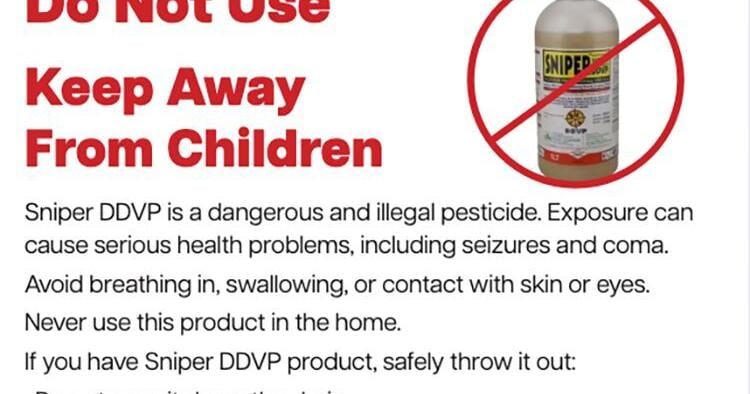
WEST LAFAYETTE — The Office of Indiana State Chemist (OISC) is warning Indiana residents about an illegal pesticide marketed under the name Sniper DDVP. This product is imported into the United States illegally and poses serious health risks. This product is marketed for the control of bedbugs, cockroaches, rodents and other household pests. Sniper DDVP contains dichlorvos (DDVP), an organophosphate insecticide that has significant restrictions in the United States due to human health concerns. Health risks Exposure to DDVP can result in serious health effects, including excessive sweating, nausea, vomiting, diarrhea, drowsiness, extreme fatigue and headaches. Exposure to high concentrations can result in convulsions and coma. Children are particularly vulnerable to the toxic effects of these products.
This excerpt comes from the named source. Read the original for the full reporting.
Read the original at Newsbug.info