Local
Iowa Farm Bureau Federation names Hope Brecht Young Farmer Program Coordinator
A Roundtable is a way to meet new people and discuss this article in person at a local coffee shop or other venue.
Roundtables are designed for groups of four, with a shared subject and room for everyone to speak. Come for discussion, with no dating expectation.
Source: iowafarmbureau.com
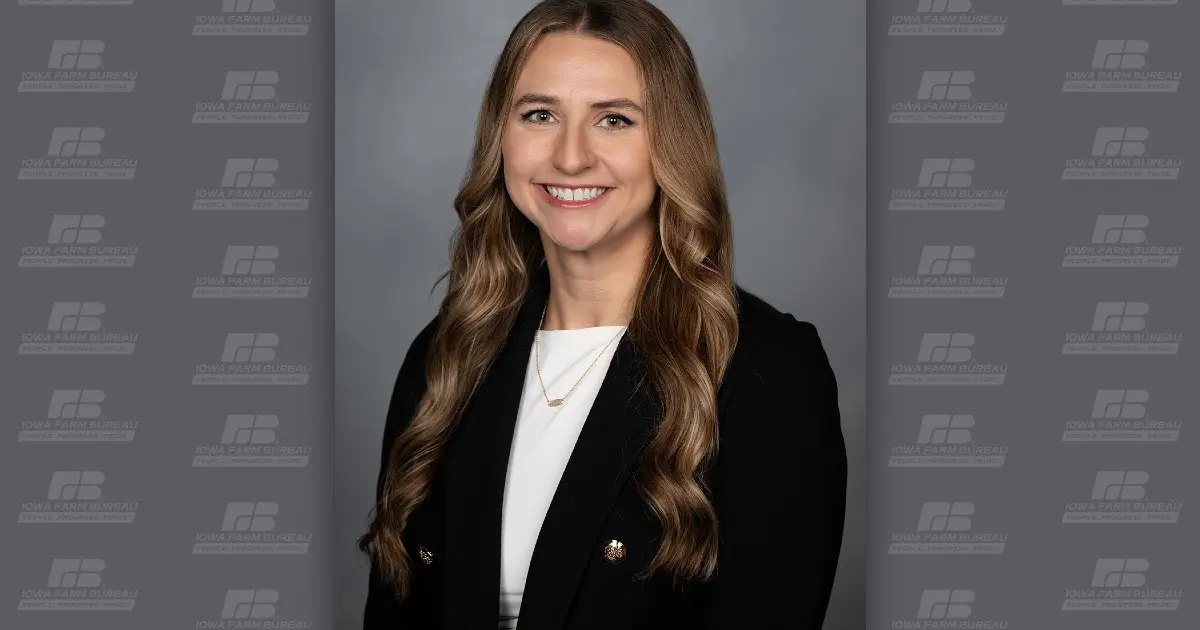
Young farmers across Iowa have a new go-to resource at the Iowa Farm Bureau Federation (IFBF). Hope Brecht, a former IFBF intern, returned to Farm Bureau on October 26 to serve as the primary point of contact for young farmer members, working closely with IFBF’s Young Farmer Advisory Committee (YFAC) to coordinate events, awards, committees and communications. “We’re excited to have Hope join our team and continue building strong relationships with young farmers across Iowa,” said Molly Shanahan, IFBF leadership training manager. “The Young Farmer Program plays an important role in connecting young farmers, developing leaders and creating opportunities for them to get involved in Farm Bureau. Hope’s previous internship with the program gives her a strong foundation, and I’m excited to see the relationships she will build and the opportunities she will create in this role.” Brecht earned her Bachelor of Science in Agriculture and Life Sciences Education from Iowa State University.
This excerpt comes from the named source. Read the original for the full reporting.
Read the original at iowafarmbureau.com
