Local
Iran: 2,500 Years Of Empire, Revolution and Resistance — Part 1
A Roundtable is a way to meet new people and discuss this article in person at a local coffee shop or other venue.
Roundtables are designed for groups of four, with a shared subject and room for everyone to speak. Come for discussion, with no dating expectation.
Source: Fair Observer
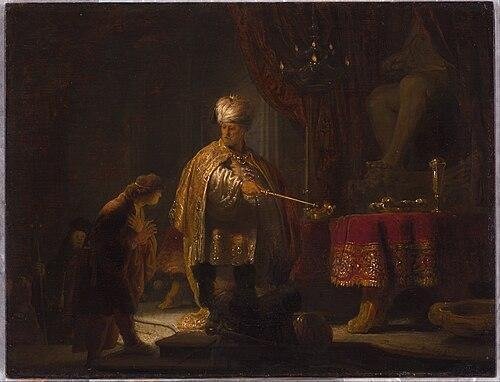
On February 28, the United States and Israel launched a new wave of attacks against Iran, igniting a war that remains unresolved more than eight months later. Why has the conflict dragged on for so long? How did Washington underestimate the resilience of the Iranian regime? These are pressing questions, but they barely scratch the surface of a far more complicated relationship between Iran and the West. The consequences now extend well beyond the Middle East. With the 2026 US midterm elections complete, Vice President JD Vance, in an extraordinary post on X, argued that the Republican loss was partially due to the war with Iran, underscoring just how deeply the conflict has become intertwined with American domestic politics. Yet understanding Iran requires looking beyond military confrontation, electoral consequences and the familiar narratives that have shaped Western foreign policy for decades.
This excerpt comes from the named source. Read the original for the full reporting.
Read the original at Fair Observer


