Local
Is cranberry jam, a holiday favorite, being threatened by extreme weather and warming winters?
A Roundtable is a way to meet new people and discuss this article in person at a local coffee shop or other venue.
Roundtables are designed for groups of four, with a shared subject and room for everyone to speak. Come for discussion, with no dating expectation.
Source: Meteored United States
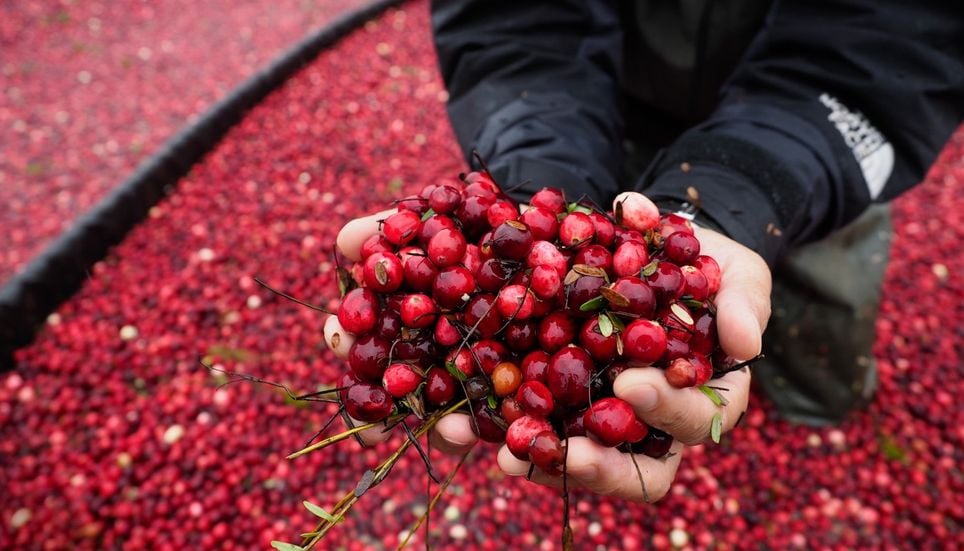
Scientists are now looking to find and breed new berries that can survive on a warmer planet. Cranberries are one of the few fruits that are native to North America. Wisconsin produces over 60% of the nation’s supply of cranberries. Cranberries don’t grow in water, but instead they thrive on low-lying vines in soil. The harvest beds get flooded for harvest time. The machines shake the berries loose, and buoyant berries float to the surface. Climate change’s affect on cranberries Cranberry harvest is driven by Mother Nature. US weather is growing more erratic and unsettled due to anthropogenic climate change. Massachusetts and New Jersey are other cranberry-producing states. Record-breaking heat waves cause berries to bake on the vine before harvest. Also, increasingly humid conditions and heavy rain during the growing season makes for a stagnant and moisture-rich environment that can bring in fungal pathogens that destroy the crops. In Wisconsin, the threats come after the harvest.
This excerpt comes from the named source. Read the original for the full reporting.
Read the original at Meteored United States