Meet In CommonNews

U.S.

It’s a Bill on Energy Permits, but Trump’s Pet Projects Are Part of the Debate

A Roundtable is a way to meet new people and discuss this article in person at a local coffee shop or other venue.

Roundtables are designed for groups of four, with a shared subject and room for everyone to speak. Come for discussion, with no dating expectation.

Source: NYT > U.S. News

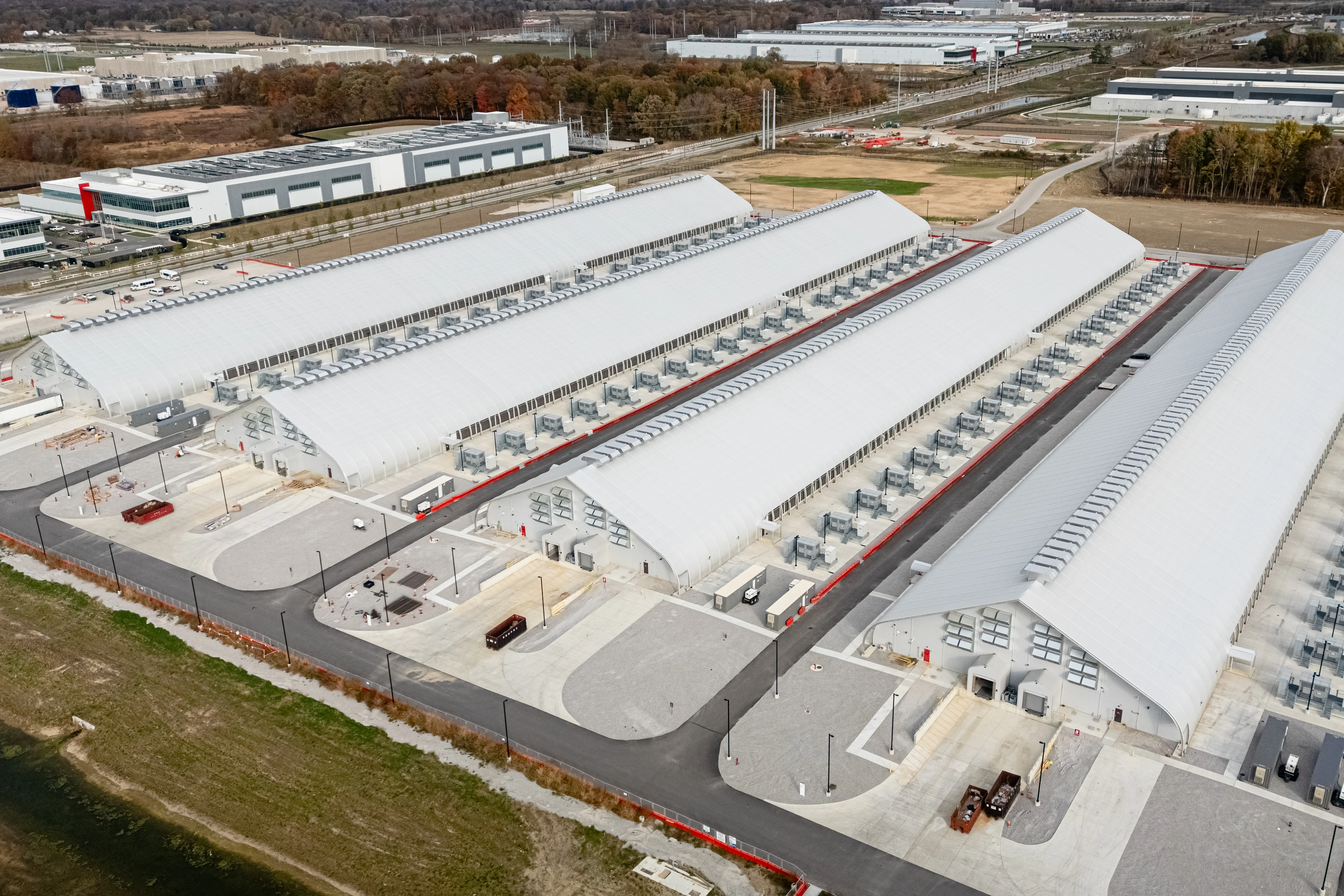
The pervasive presence of the president hovers over the bipartisan legislation to speed up construction of energy projects that are advancing through Congress.

This excerpt comes from the named source. Read the original for the full reporting.

Read the original at NYT > U.S. News

Upcoming Roundtables

Starbucks

296 Main Street, Los Altos, California, 94022, US

Joined: 1

Questions for discussion

Explore the published questions, then take the poll or bring your views to a Roundtable.

  1. Which goals should guide changes to energy-project permitting? Select all that apply.
  2. What should be the main safeguard if Congress makes energy permitting faster?
  3. How should presidential priorities influence energy-permitting legislation?
  4. Rank these priorities for evaluating a proposed energy project, from highest to lowest.
  5. If permitting becomes faster, which outcome seems most plausible to you?
Take the reader poll

Featured places to meet in Palo Alto, CA

Explore these places and arrange a conversation through ThinkMatch.

City guide for Palo Alto, CA

Related coverage

Community Poll

Acting on preliminary research can be justified when the risks of waiting are high.

Share your view, then see how readers voted. No sign-in required. This poll is shared across stories.

Do you agree or disagree?

Choose one answer

Common Quandary

A Common Quandary to discuss

Another conversation to explore, separate from this news story.

A parent clearly built the winning science project. Who should lose the prize?

An elementary student submits an elaborate science project far beyond their apparent ability. The parent proudly describes working together all weekend, and the child clearly learned something, but other students completed simpler projects themselves.

What is a fair response when help improves learning but distorts achievement?

Explore this quandary