Local
‘It’s like a pilgrimage’: How ‘Rascal’ book connects Wisconsin with Japan
A Roundtable is a way to meet new people and discuss this article in person at a local coffee shop or other venue.
Roundtables are designed for groups of four, with a shared subject and room for everyone to speak. Come for discussion, with no dating expectation.
Source: NY State of Politics
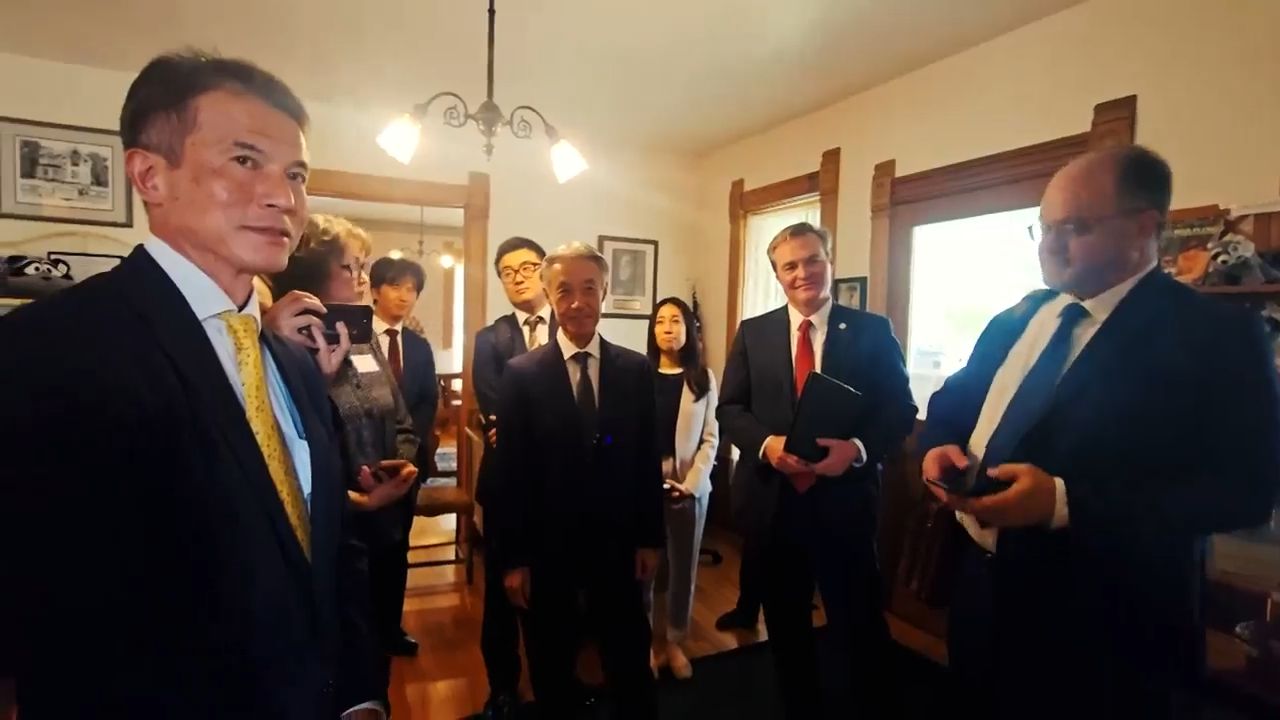
EDGERTON, Wis. — Throughout the month of November, Edgerton is celebrating the lasting international connection created by Wisconsin author Sterling North’s autobiographical, award-winning WWI-era book “Rascal.” North’s boyhood home in Edgerton, now the Sterling North Museum, has become a destination for Japanese visitors. That’s because of the renowned Japanese animation, which was based on his book “Rascal,” about a young boy and his pet raccoon. Japan’s ambassador to the United States, Shigeo Yamada, visited the historic home in September with an entourage. “This story evoked warm feeling in Japanese people,” Yamada said. Honorary Consul of Japan in Wisconsin Andrew Seaborg said many people in Japan know the animated version of “Rascal,” even if they are less familiar with the Wisconsin roots behind it. “Most of the Japanese people only know the animation as animation,” Seaborg said. “It’s one of the most wholesome and honest stories of a young boy with a pet raccoon.
This excerpt comes from the named source. Read the original for the full reporting.
Read the original at NY State of Politics