Local
“It’s Magical”: Goddard’s Chief Scientist Reflects on Voyager 1
A Roundtable is a way to meet new people and discuss this article in person at a local coffee shop or other venue.
Roundtables are designed for groups of four, with a shared subject and room for everyone to speak. Come for discussion, with no dating expectation.
Source: Greenbelt News Review
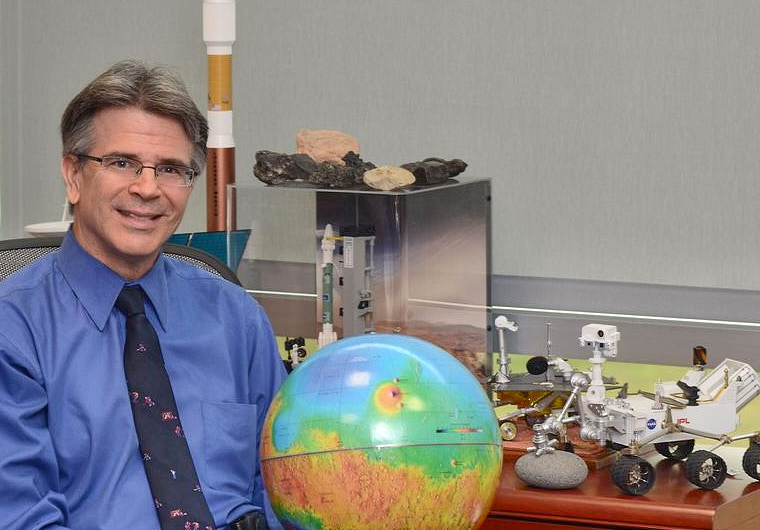
Never before has a human-made object reached so far in space. On November 18, at 5:16 a.m. EST, NASA’s space probe Voyager 1 reached a full light-day — more than 16 billion miles — from Earth, becoming the farthest human-made object to ever have been propelled that distance into space. In light of the historic occasion, the Greenbelt News Review sat down with James Garvin, chief scientist at Goddard Space Flight Center, to talk about Goddard’s role in Voyager 1’s activities over the years — that is, in having produced key instruments that Voyager 1 uses to study these far away regions, and in studying interstellar data. “It’s kind of like a kid-in-a-candy-store environment,” Garvin said, in describing what it is like for space scientists at work every day.
This excerpt comes from the named source. Read the original for the full reporting.
Read the original at Greenbelt News Review