Local
JAMES CAGLE: Thanksgiving
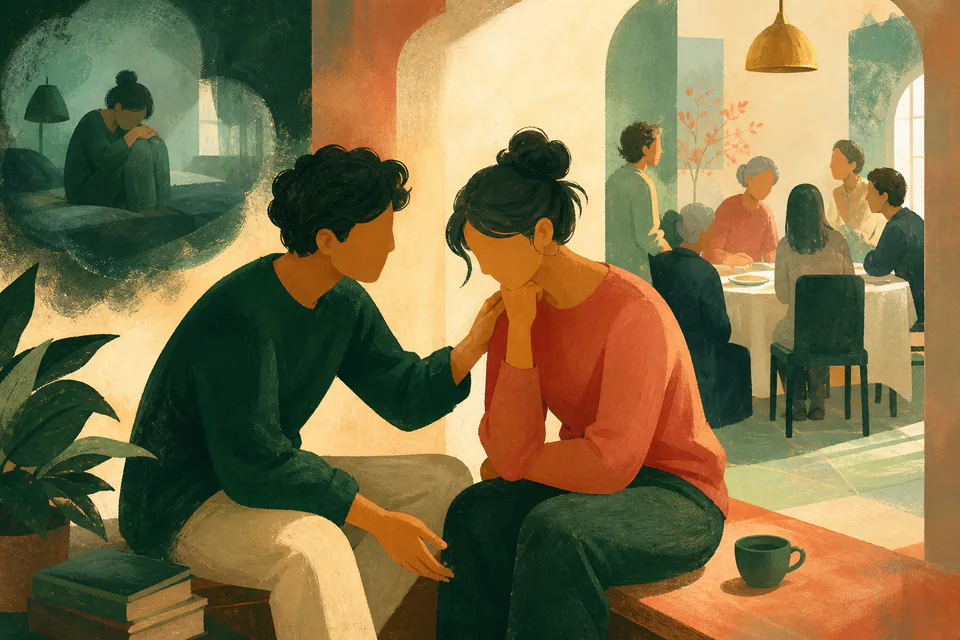
A Roundtable is a way to meet new people and discuss this article in person at a local coffee shop or other venue.
Roundtables are designed for groups of four, with a shared subject and room for everyone to speak. Come for discussion, with no dating expectation.
Source: Valdosta Daily Times
“Giving thanks always for all things unto God and the Father in the name of our Lord Jesus Christ” (Ephesians 5: 20 KJV). The first Thanksgiving in America was held by the Pilgrims of the Plymouth Colony in the autumn of 1621 in celebration of the first harvest. They held another Thanksgiving in 1623 in celebration of relief from a long drought and the arrival of a ship from England carrying much needed supplies. In 1863 President Lincoln proclaimed the last Thursday in November as Thanksgiving Day. Though we live in the day when more and more people feel they are entitled to so many things and fewer and fewer are thankful for what they receive, it doesn’t change the fact that we should all be very thankful for we really do not deserve or merit any of God’s blessings. In the Old Testament giving “thank-offerings” was part of Israel’s worship of God (Lev. 7: 12; 22: 29; 2 Chron. 29: 31; 33: 16; Ps. 116: 17; Jer. 33: 11).
This excerpt comes from the named source. Read the original for the full reporting.
Read the original at Valdosta Daily Times