Local
James F. Scott
A Roundtable is a way to meet new people and discuss this article in person at a local coffee shop or other venue.
Roundtables are designed for groups of four, with a shared subject and room for everyone to speak. Come for discussion, with no dating expectation.
Source: The Post-Journal
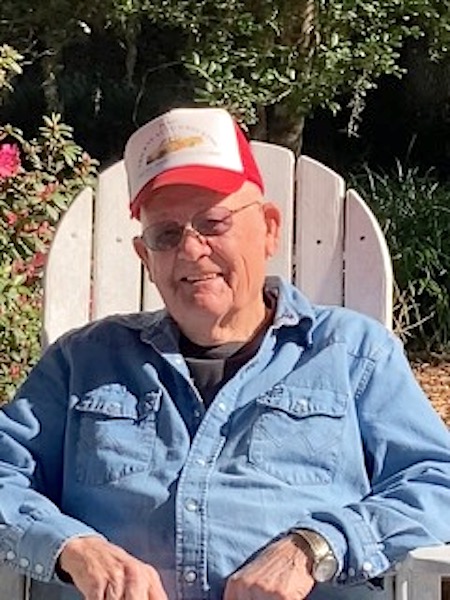
, 88, of Garland, Pennsylvania, passed away on November 22, 2026, in Ocala, Florida, surrounded by his loving family. Born on May 23, 1938, in Warren, Pennsylvania, he was the son of Faye Ackley Scott and Iilo Scott. He graduated from Youngsville High School in 1956 and married Lynn Hayes in 1956 to 1965 and then married Jean Kellogg in 1966. Jim was a lifelong entrepreneur whose passion for automobiles and racing shaped both his career and his legacy. He began his career working for Warren Auto Body Repair and Paul Williams Repair Shop before establishing Scott’s Auto Service in Garland, Pennsylvania, in 1965. Alongside his longtime friend and business partner, David Turner, Jim also owned and operated Scott & Turner Racing Equipment. In 1988, he expanded his business ventures by opening Warren County Salvage, which he operated until his “first retirement” in 2006, when he sold the business to Insurance Auto Auctions. Retirement, however, was never quite Jim’s style.
This excerpt comes from the named source. Read the original for the full reporting.
Read the original at The Post-Journal


