Local
James Gray delivers a milestone crime drama in ‘Paper Tiger’
Meet in Common connects news with real conversations. Use ThinkMatch to arrange a Roundtable and meet people to discuss this story.
Source: The Mining Journal
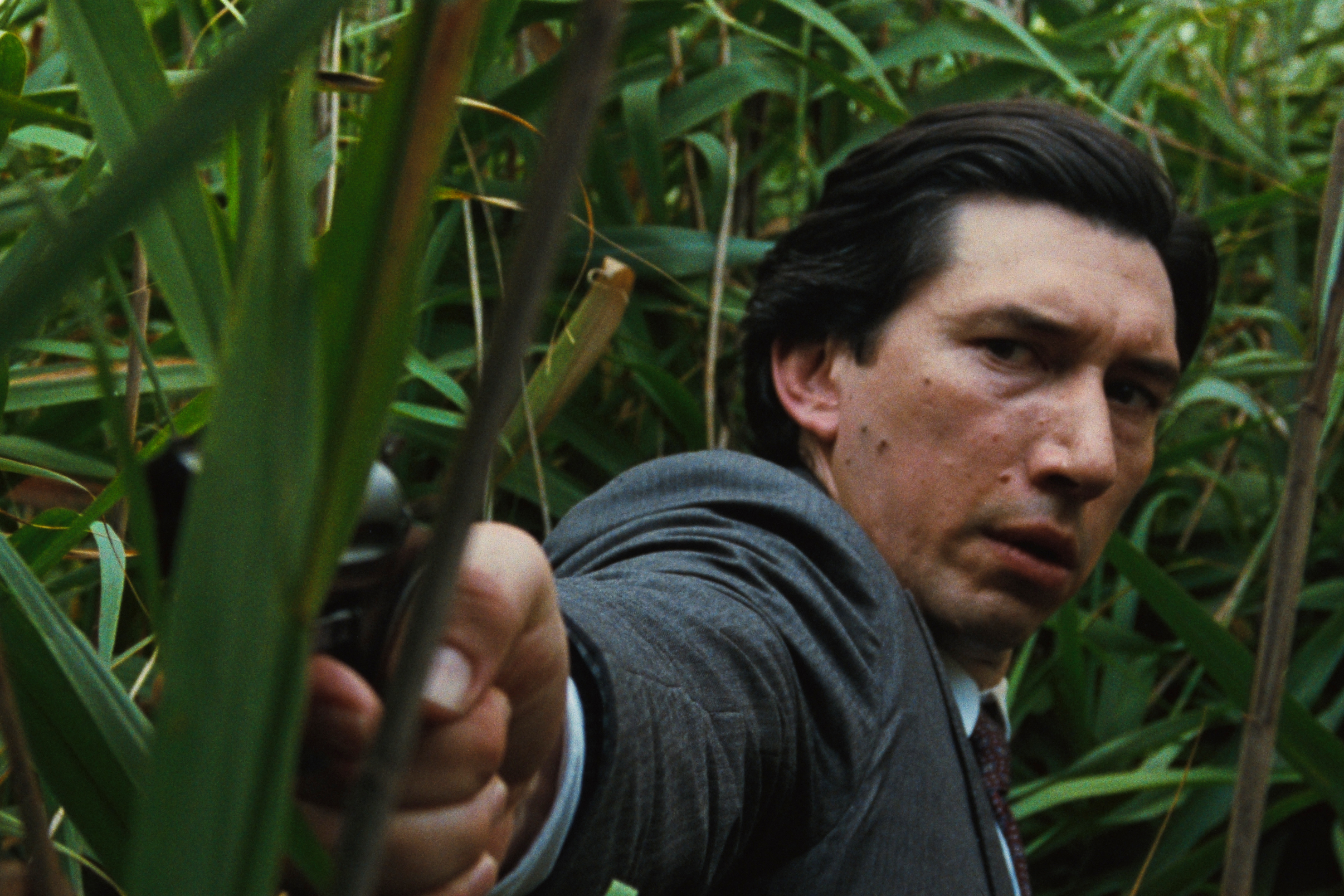
The American Dream has seldom looked so bleak as in “Paper Tiger,” James Gray’s beautifully punishing tragedy about a middle class family in Queens. With operatic grace and 35 mm grit, “Paper Tiger” shrewdly and authentically explores ideas about wealth, worth, the cost of family and the price of wanting more. In 1986 New York, Wall Street might be booming in its “greed is good” era, but across the East River — where the grass still grows tall and the twin towers look small and distant on the skyline — Irwin Pearl (Miles Teller) is up early making storm windows for the winter. This is being done very much against the wishes of one of his teenage sons, who is trying to sleep in. Winter is three months away anyway, he complains. Irwin is an ordinary dad, kind and a little goofy, resplendent in a constant stream of neatly but not stylishly tucked-in plaid shirts and windbreakers. He seems older than his years, though he’s probably barely 40.
This excerpt comes from the named source. Read the original for the full reporting.
Read the original at The Mining Journal


