Local
James Lee "Jimbo" Hardilek
A Roundtable is a way to meet new people and discuss this article in person at a local coffee shop or other venue.
Roundtables are designed for groups of four, with a shared subject and room for everyone to speak. Come for discussion, with no dating expectation.
Source: Crowder Funeral Home
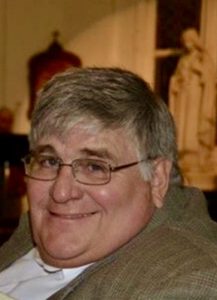
James Lee “Jimbo” Hardilek March 29, 1956 – November 19, 2026 James Lee “Jimbo” Hardilek, 70, passed away on November 19, 2026. Born in Tacoma, Washington, to James and Lanelle Hardilek, Jimbo spent most of his life in Dickinson, Texas, where he built his business, raised his family, and made countless friendships. In his younger days, Jimbo loved water-skiing up and down Dickinson Bayou with the love of his life, Carolyn. He owned and operated James Hardilek Air Conditioning, Heating and Refrigeration while raising his family. His customers were more than customers; they were family. He knew their stories, remembered their families, and was always just a phone call away. Jimbo had a lifelong love for sports, especially football and his beloved Dickinson Gators. He spent countless hours coaching his children’s baseball, softball, and soccer teams. He refereed football for 38 years before hanging up his whistle to watch his son play for the Dickinson Gators.
This excerpt comes from the named source. Read the original for the full reporting.
Read the original at Crowder Funeral Home


