Local
‘Jelly globs’ and ‘puffy brown mats’: Scientists search for answers about a lesser-known type of cyanobacteria
A Roundtable is a way to meet new people and discuss this article in person at a local coffee shop or other venue.
Roundtables are designed for groups of four, with a shared subject and room for everyone to speak. Come for discussion, with no dating expectation.
Source: VTDigger
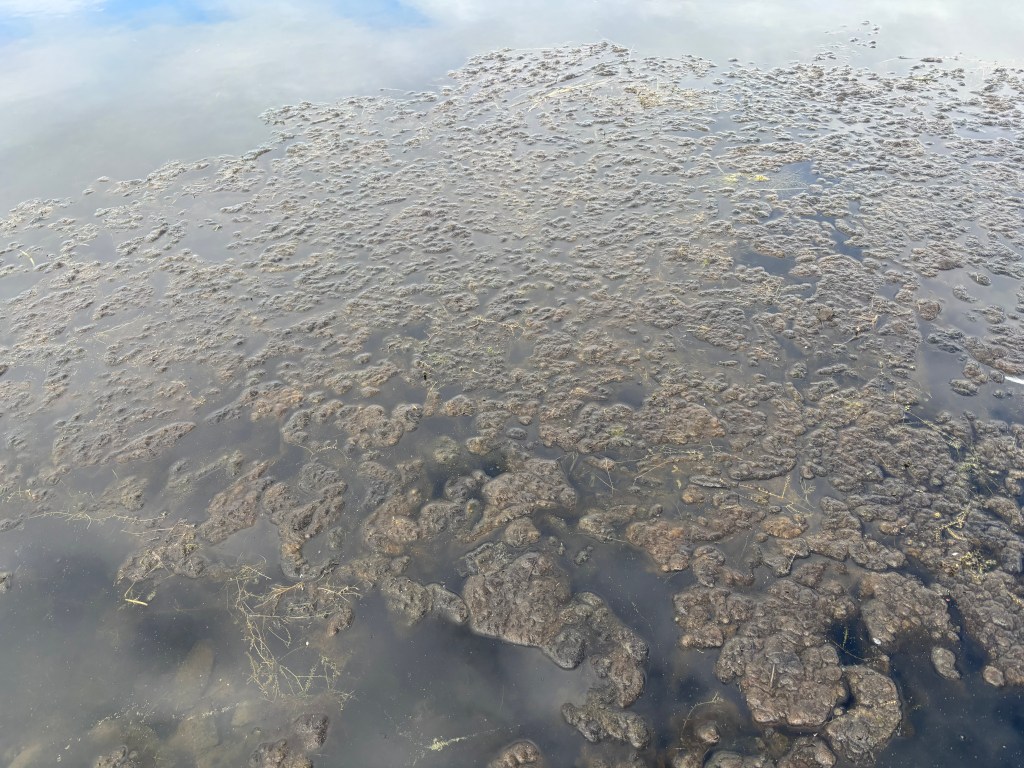
Many Vermonters have come to know cyanobacteria, also called blue-green algae. Its blooms — pea soup green mats that can pose health risks to humans and pets — have spurred many Lake Champlain beach closures, and a nearly billion dollar, federally-mandated effort to reduce pollution. But there’s a different kind, called ‘benthic cyanobacteria,’ that grows on rocks and other things on the bottom of lakes, including Lake Champlain. Researchers don’t know how widespread it’s in the lake, or whether it poses a similar toxin risk. Cyanobacteria is one of the oldest species on planet Earth. For billions of years, these tiny beings have lived in bodies of water around the globe, surviving in extreme conditions – hot springs, the polar deserts of the Arctic and Antarctica and volcanic steam vents – and producing the oxygen animals need to breathe. They’re also a major food source for aquatic life.
This excerpt comes from the named source. Read the original for the full reporting.
Read the original at VTDigger