Local
Jensen Huang ’92 admits to affair with alleged Chinese spy
Meet in Common connects news with real conversations. Use ThinkMatch to arrange a Roundtable and meet people to discuss this story.
Source: The Stanford Daily
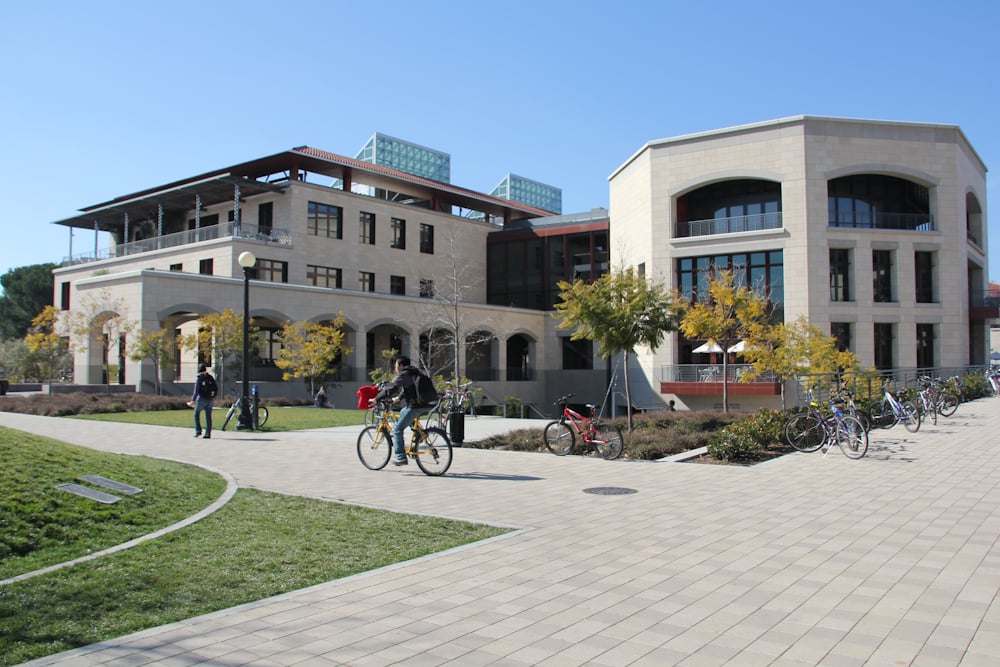
Nvidia CEO Jen-Hsun “Jensen” Huang M.S. ’92 admitted on Sunday to having an extramarital affair with a partner company executive who is a Chinese spy, according to American intelligence. In response, the Nvidia board has opened an independent investigation and stated that Jensen Huang will retain his leadership role. Jensen Huang and Nvidia have closely collaborated with Stanford in the past. In 2010, the Jen-Hsun Huang Engineering Center was dedicated to Jensen Huang after he and his wife donated $30 million toward its construction. Two years ago, Nvidia partnered with Stanford to create the Marlowe supercomputer cluster for University researchers. Earlier this year, the Marlowe-Nvidia joint initiative began connecting Stanford researchers with Nvidia research teams and solutions architects via private guidance sessions. The Daily has reached out to the University for comment.
This excerpt comes from the named source. Read the original for the full reporting.
Read the original at The Stanford Daily