Local
Judge grants ex-dispatcher immunity to testify in former Carroll County deputy’s reckless homicide case
A Roundtable is a way to meet new people and discuss this article in person at a local coffee shop or other venue.
Roundtables are designed for groups of four, with a shared subject and room for everyone to speak. Come for discussion, with no dating expectation.
Source: Shaw Local
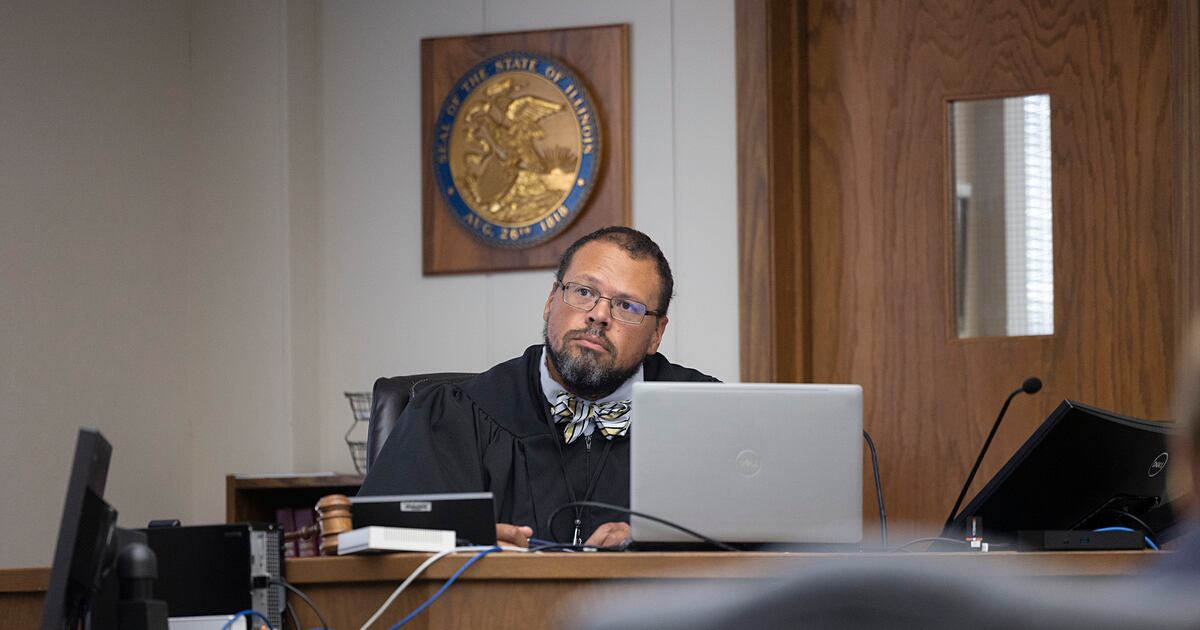
An Ogle County judge has granted a former Carroll County dispatcher immunity when she testifies against a former sheriff’s deputy accused of reckless homicide, and denied a defense motion that sought to limit what she could say. Former Carroll County Sheriff’s Deputy Matthew Herpstreith, 46, of Savanna, is accused of causing the 2024 death of 18-year-old Mount Carroll resident Jackson Kradle. Herpstreith pleaded not guilty to the five charges, filed against him on March 24, 2025, at his arraignment in April that year. Kradle’s body was found at 3:30 a.m. July 28, 2024, on state Route 78, less than a mile north of Mount Carroll’s city limits. Kradle was the victim of blunt force trauma, which a forensic pathologist ruled was the result of a vehicle/pedestrian crash. Herpstreith and former Carroll County dispatcher Amy Hubble, who were off duty at the time, called the Carroll County dispatch center via its nonemergency line and told officers that they had found the body on the highway.
This excerpt comes from the named source. Read the original for the full reporting.
Read the original at Shaw Local


