Local
Judy Morr, Segerstrom Center’s Founding Programmer, Dies
A Roundtable is a way to meet new people and discuss this article in person at a local coffee shop or other venue.
Roundtables are designed for groups of four, with a shared subject and room for everyone to speak. Come for discussion, with no dating expectation.
Source: Orange County Business Journal
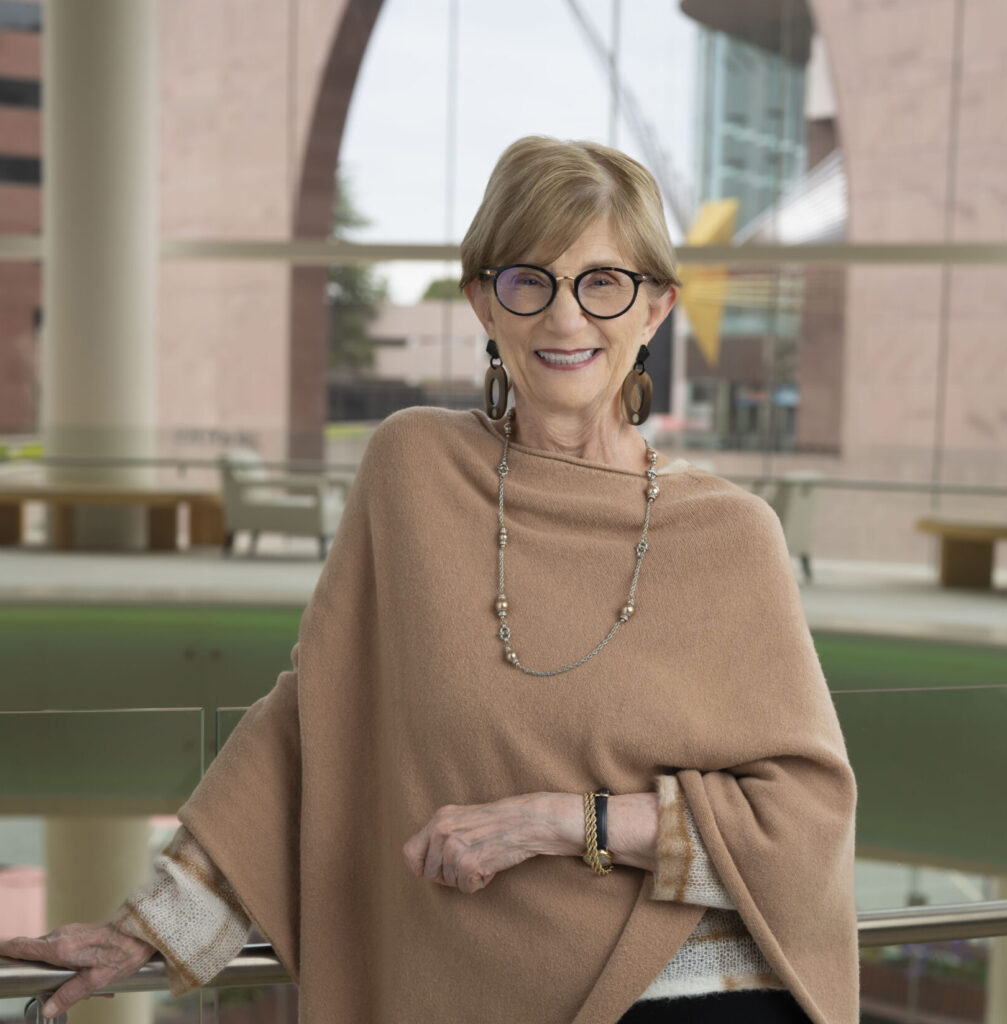
Judith “Judy” Morr, who helped establish Segerstrom Center for the Arts as an international destination for dance through nearly four decades of programming, died Nov. 16. Recruited by Henry Segerstrom and then-President and CEO Tim Strader, Morr joined the Costa Mesa venue in 1985, a year before it opened as the Orange County Performing Arts Center. She became its original programming director and later executive vice president of programming. During her tenure, the Center presented nearly 2,000 productions, including more than 60 world premieres, 50 commissions and 64 visiting world dance companies. She also created the International Dance Series and helped establish a longstanding partnership with American Ballet Theatre. The Center renamed Founders’ Hall the Judy Morr Theater in 2014 and established the Judy Morr Icon Awards in 2024, naming her the inaugural recipient.
This excerpt comes from the named source. Read the original for the full reporting.
Read the original at Orange County Business Journal