Local
Jury Convicts Mass Shooting Suspect
A Roundtable is a way to meet new people and discuss this article in person at a local coffee shop or other venue.
Roundtables are designed for groups of four, with a shared subject and room for everyone to speak. Come for discussion, with no dating expectation.
Source: Baltimore Witness
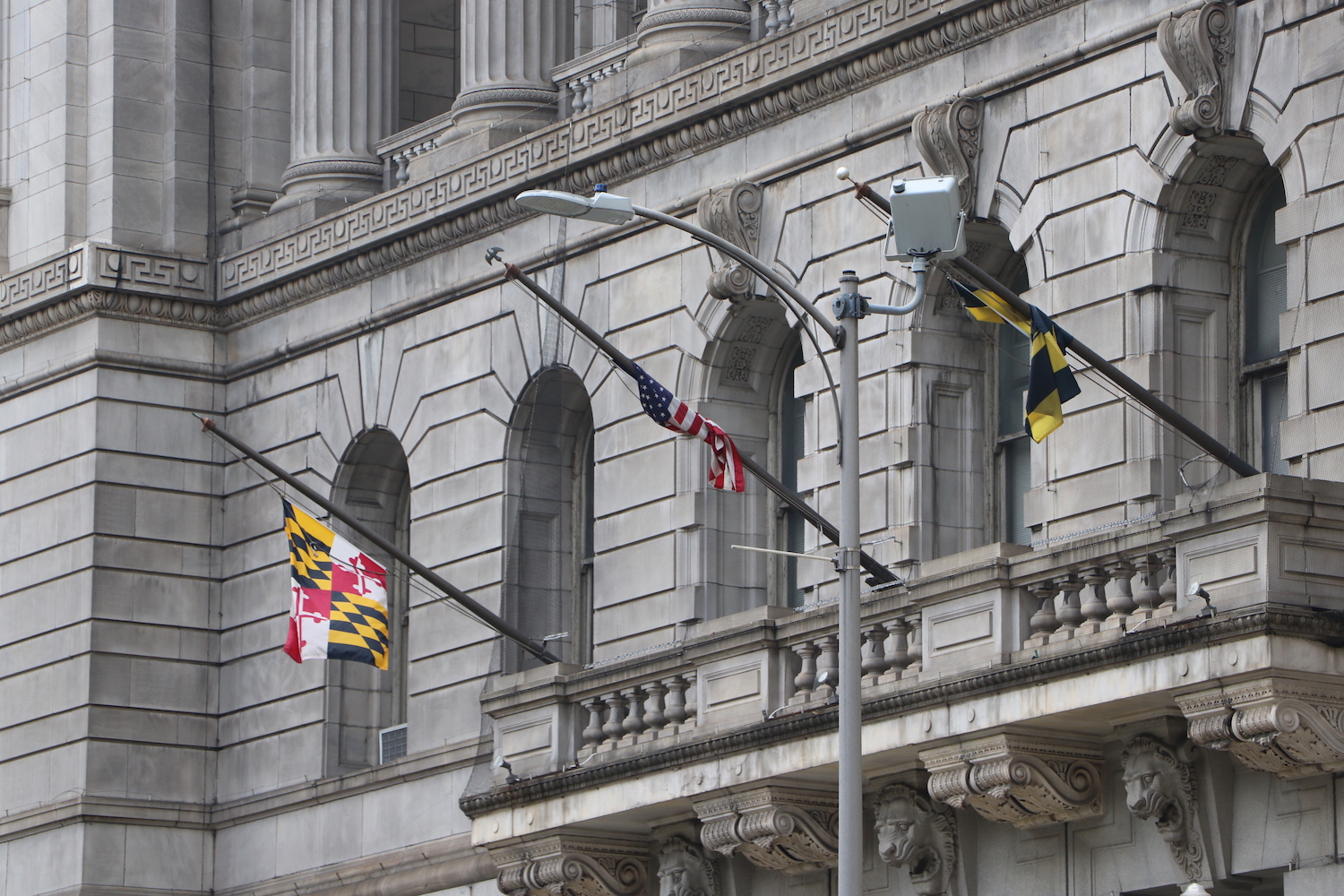
On Nov 24, a jury found 23-year-old Broderick Young guilty of all 21 charges against him before Baltimore City Circuit Court Judge Paul J. Cuczzella. The counts were in relation to his involvement in a mass shooting that occurred on March 29, 2025. Five people were injured as a result. Young was found guilty of four counts of attempted first-degree murder, first- degree assault, one count of reckless endangerment, conspiracy to commit first-degree murder, conspiracy to commit assault and several firearm related charges. Charging documents indicate that on the day of the incident, police responded to the 5300 block of Frankford Avenue, where a man was found shot inside his car. Later that day, four additional people were wounded near the intersection of Venable Avenue and Greenmount Avenue. Surveillance footage captured three gunmen exiting a silver Jeep Compass and firing toward people in the area before fleeing the scene.
This excerpt comes from the named source. Read the original for the full reporting.
Read the original at Baltimore Witness


