Local
Keith Haring’s Crack Is Wack: The 1986 Harlem Mural That New York Erased and Saved
A Roundtable is a way to meet new people and discuss this article in person at a local coffee shop or other venue.
Roundtables are designed for groups of four, with a shared subject and room for everyone to speak. Come for discussion, with no dating expectation.
Source: Raptology
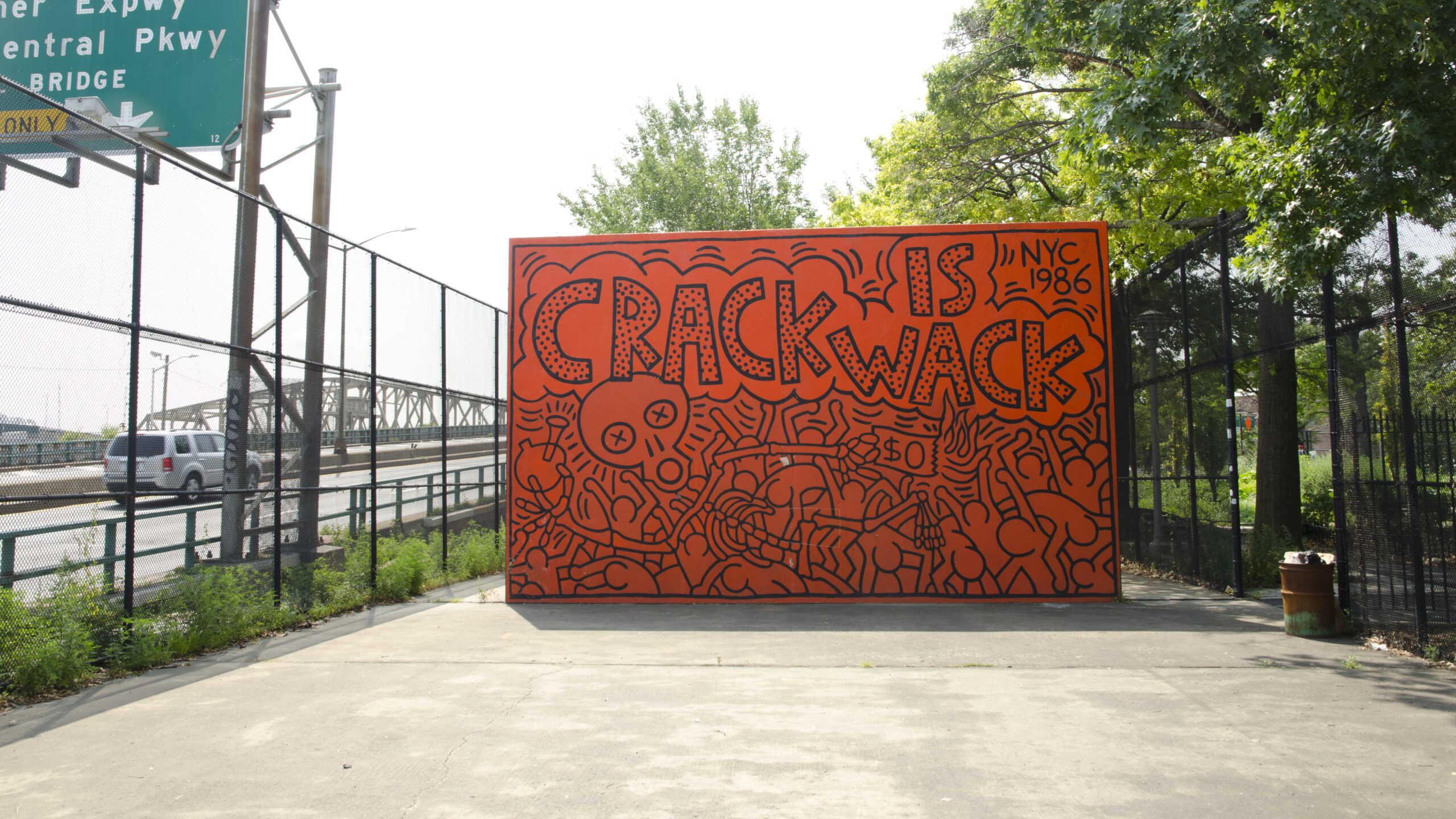
In the summer of 1986, Keith Haring painted a warning about crack cocaine on a handball-court wall beside the Harlem River Drive. New York City painted over the first version. Months later, the city invited him back. The orange-and-black mural that survived became one of the most recognizable pieces of public art in New York, but the story behind it is more complicated than the slogan. Watch: Why Keith Haring Painted Crack Is Wack A short visual explanation of the mural’s origins and the story behind its message, from The Canvas. A Warning Beside the Highway The wall was never supposed to become a monument. It belonged to a handball court in East Harlem, close enough to the Harlem River Drive that passing motorists could catch its message without slowing down. In 1986, Keith Haring covered it with urgent lettering, electric color and figures that seemed to collide with one another. The words were direct: Crack Is Wack.
This excerpt comes from the named source. Read the original for the full reporting.
Read the original at Raptology


