Local
Kenneth Alcott "Kenny" Kasson
Meet in Common connects news with real conversations. Use ThinkMatch to arrange a Roundtable and meet people to discuss this story.
Roundtables are designed for groups of four, with a shared subject and room for everyone to speak. Come for discussion, with no dating expectation.
Source: Knox Pages
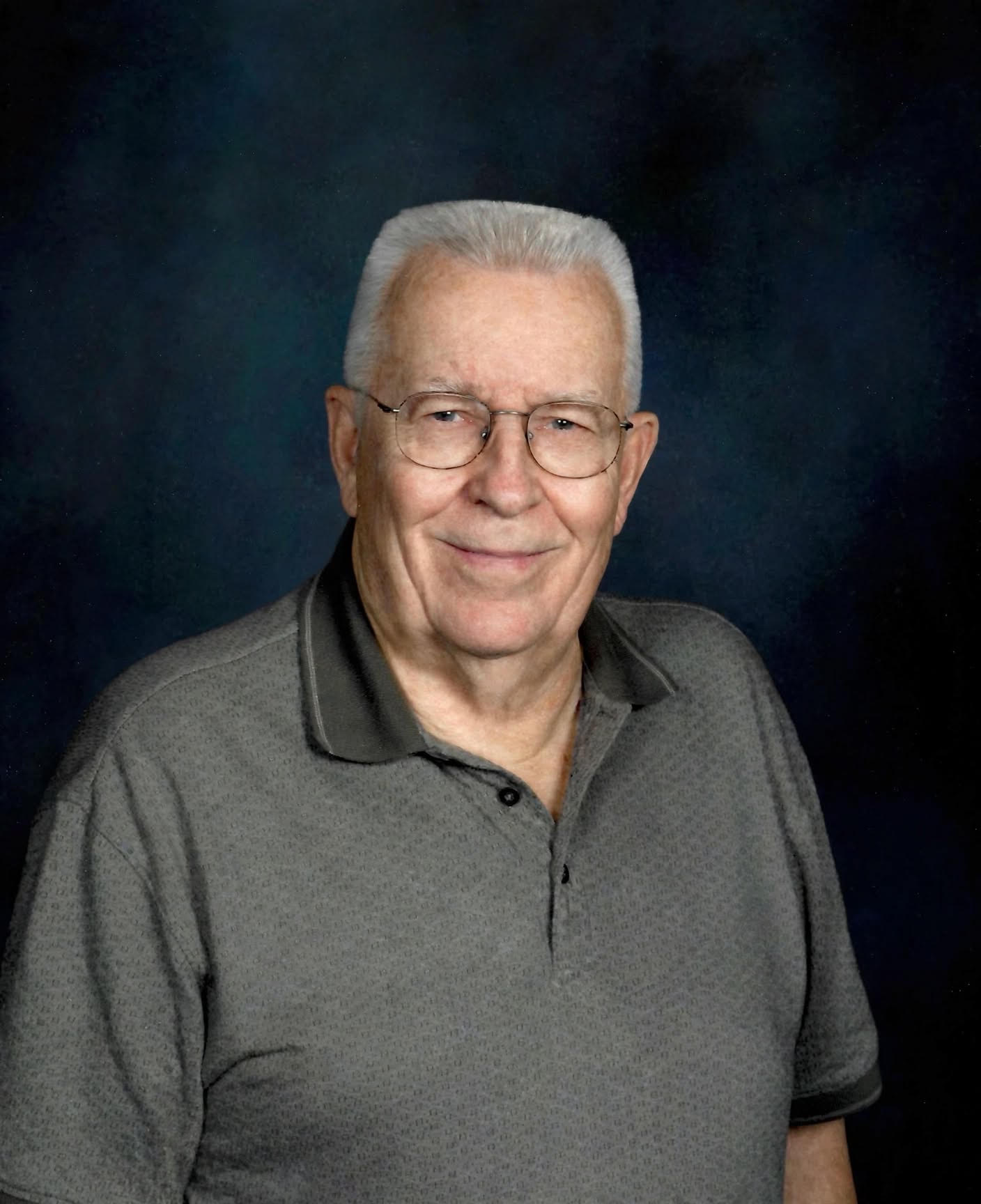
Kenneth Alcott “Kenny” Kasson, age 96, died peacefully at his home on November 7th, 2026, surrounded by his loving family. Kenny was born on March 15th, 1930, in Centerburg, Ohio to the late James and Mary (Hughes) Kasson. He graduated from Centerburg High School in 1948. He enlisted in the Navy and served our country for 4 years. He previously worked at PPG in Mt. Vernon, Nestles in Sunbury and General Electric in Worthington. He grew up attending the Centerburg Church of Christ and Centerburg Methodist Church, as did his wife of 57 years, Virginia “Ginny” Griffith Kasson. He enjoyed baseball in his younger days, and later in life enjoyed bowling, fishing, and golf. He and Ginny had the opportunity to visit all 50 states. They also took a yearly trip for years to Myrtle Beach, S. Carolina. His biggest joy was his family, whom all will miss his love, kindness and generosity. One of his biggest joys also was his dog, Baxter.
This excerpt comes from the named source. Read the original for the full reporting.
Read the original at Knox Pages


