Local
Kupec requests recount in Minnesota Senate District 4 race
A Roundtable is a way to meet new people and discuss this article in person at a local coffee shop or other venue.
Roundtables are designed for groups of four, with a shared subject and room for everyone to speak. Come for discussion, with no dating expectation.
Source: Detroit Lakes Tribune
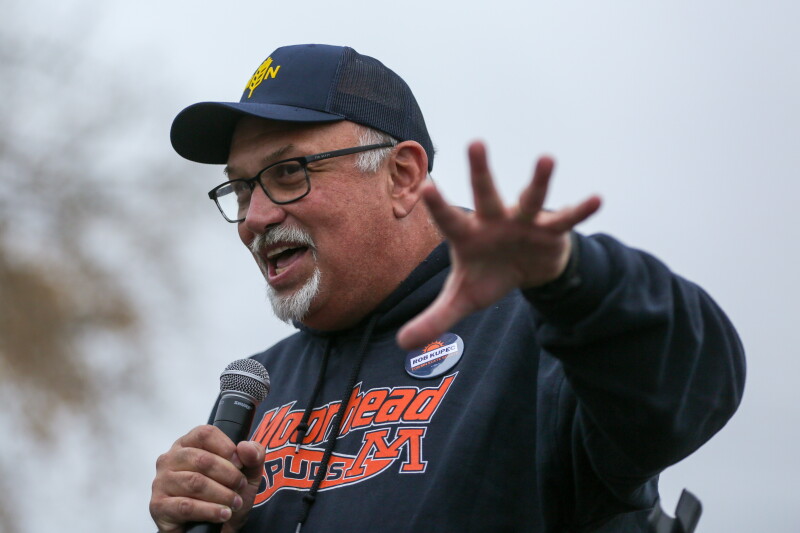
MOORHEAD — A Moorhead senator has formally requested a recount in a race for his seat in the Minnesota Legislature. Sen. Rob Kupec, D-Moorhead, requested a recount in the Senate District 4 race, according to Clay County Auditor Lori Johnson. In the Nov. 3 election, Hawley Republican Austin Peterson received four more votes than Kupec. The Minnesota Secretary of State reported Peterson got 18,107 votes, or 49.95% of the vote. Kupec got 18,103 votes, or 49.94% of the vote. The Minnesota State Canvassing Board certified election results Thursday, Nov. 19. Kupec did not immediately respond to a request for comment. With less than a half percent difference in the number of votes cast for each candidate, the race qualifies for a publicly-funded recount. The recount will be held during the week of Nov. 23, Minnesota Elections Director Paul Linnell said during the canvassing meeting.
This excerpt comes from the named source. Read the original for the full reporting.
Read the original at Detroit Lakes Tribune