Local
La sonda Voyager 1 se acerca a un día luz de distancia de la Tierra, un hito espacial
A Roundtable is a way to meet new people and discuss this article in person at a local coffee shop or other venue.
Roundtables are designed for groups of four, with a shared subject and room for everyone to speak. Come for discussion, with no dating expectation.
Source: Qué Pasa
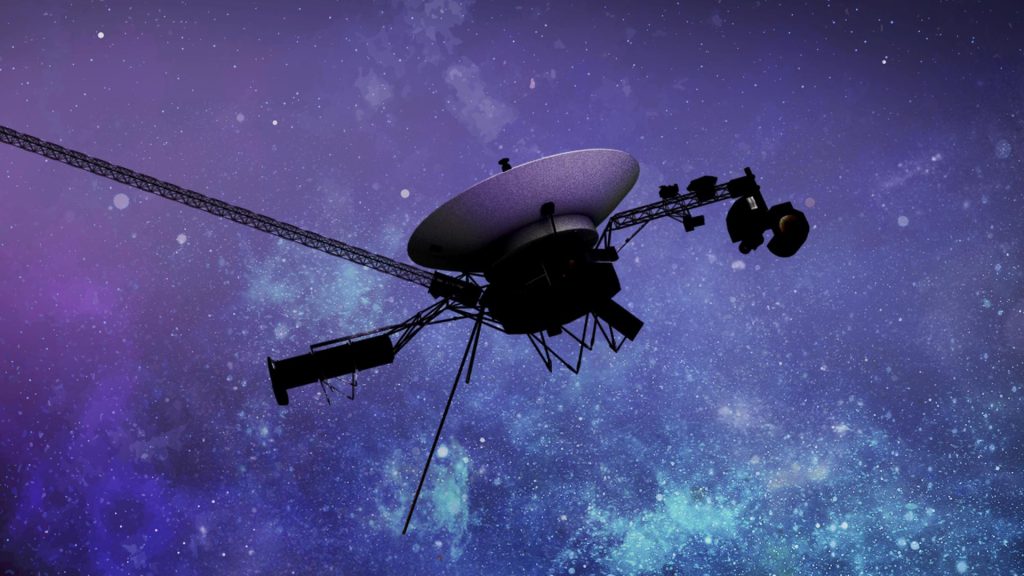
Redacción EFE Qué Pasa Miami (EE.UU.), 17 nov (EFE).- Voyager 1, la sonda espacial no tripulada de la NASA lanzada hace 49 años desde Cabo Cañaveral (Florida), alcanzará este miércoles un hito histórico al situarse a un día luz de distancia de la Tierra, un trayecto que una señal de radio tarda veinticuatro horas en recorrer. La nave, cuya misión inicial fue explorar los planetas exteriores del sistema solar, especialmente Júpiter y Saturno, estará mañana tan lejos que cualquier comunicación enviada desde la Tierra tardará aproximadamente un día en llegar hasta ella. La NASA explicó en un video que la distancia entre la Tierra y la Luna equivale a 1,3 segundos luz, mientras que a Marte unos 8 minutos y a Neptuno cuatro horas.
This excerpt comes from the named source. Read the original for the full reporting.
Read the original at Qué Pasa