Local
LaGrange residents question higher water bills after old meter readings reviewed
Meet in Common connects news with real conversations. Use ThinkMatch to arrange a Roundtable and meet people to discuss this story.
Roundtables are designed for groups of four, with a shared subject and room for everyone to speak. Come for discussion, with no dating expectation.
Source: Cleveland 19 News
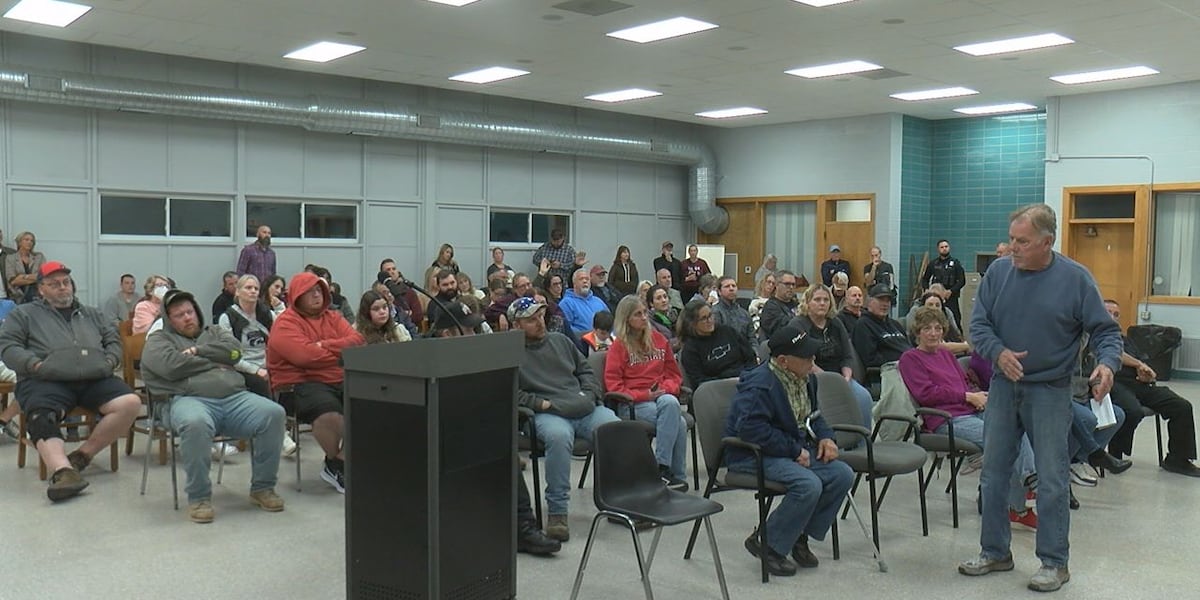
LAGRANGE, Ohio (WOIO) - Frustrated residents packed a special council meeting Tuesday to ask questions about water bills that some said were hundreds of dollars higher than usual. Julie Carpenter said her bill is normally about $120 to $130. After a new meter was installed at her home Oct. 26, she said, she received a bill for $339 that included an additional 19,300 gallons. “I was standing in line ordering food, and my legs went numb and I got immediately nauseated,” Carpenter said. “It’s the holiday season. I have six children, two grandchildren. Like this was not a good time for that.” Mayor Gary Kincannon said the village is in the process of replacing old water meters.
This excerpt comes from the named source. Read the original for the full reporting.
Read the original at Cleveland 19 News