Local
Lake Champlain Chocolates factory staff vote down unionization effort
A Roundtable is a way to meet new people and discuss this article in person at a local coffee shop or other venue.
Roundtables are designed for groups of four, with a shared subject and room for everyone to speak. Come for discussion, with no dating expectation.
Source: VTDigger
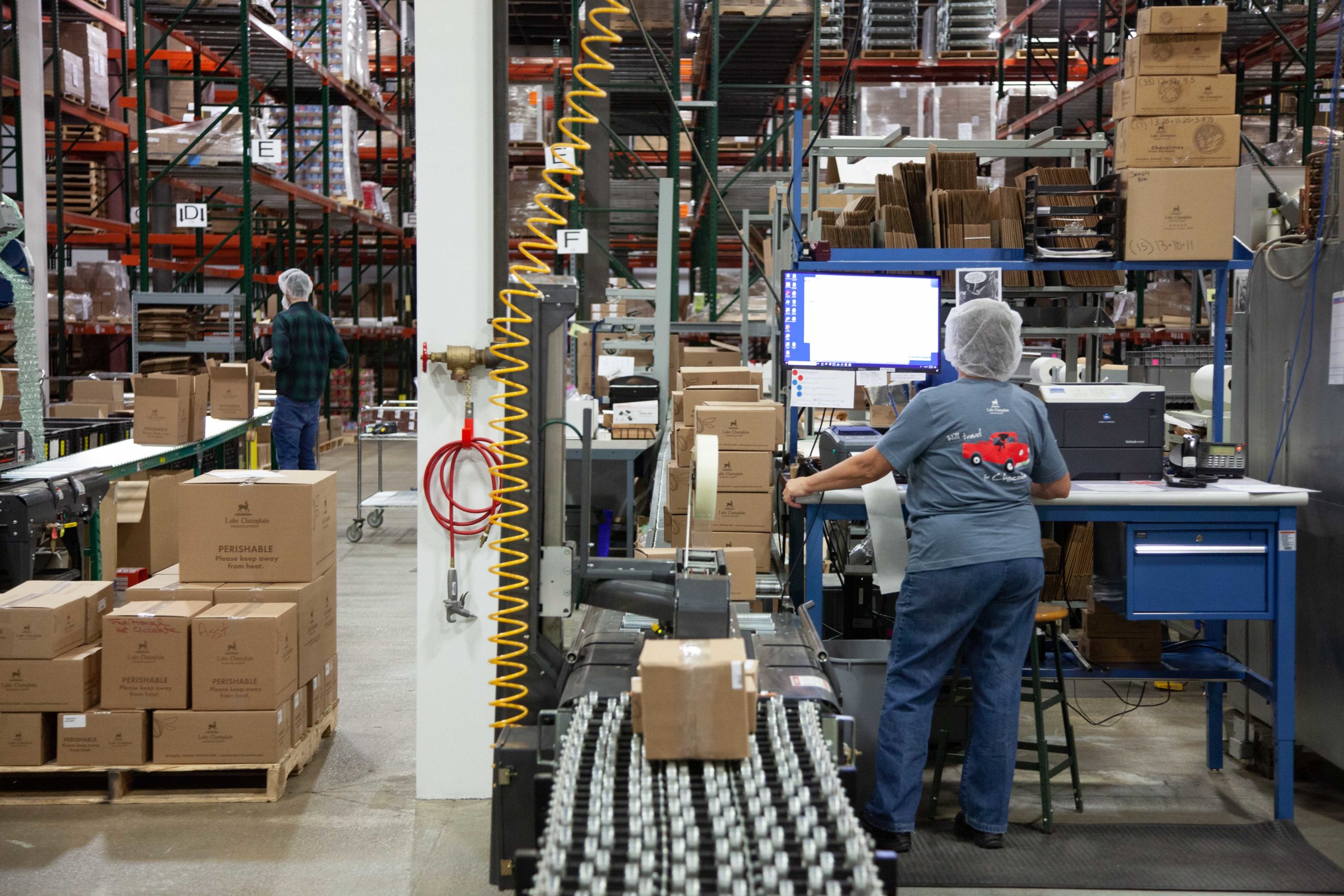
Theo Wells-Spackman is a Report for America corps member who reports for VTDigger. Staff in a proposed bargaining unit at Lake Champlain Chocolates have voted not to form a union. Workers at the company’s Williston manufacturing facility declined to accept representation from the Teamsters union in a secret ballot decision Tuesday. The vote count was 20 to 12. But as one group of employees at the company voted against unionization, a separate set of workers at a Burlington retail location of Lake Champlain Chocolates filed their own petition to unionize. Employees organizing the efforts told VTDigger late last month that disagreements over benefits and compensation, as well as the workplace environment, were primary concerns. Insufficient healthcare coverage and the rising cost of living have made it increasingly difficult for even long-serving staff to make ends meet, they said, citing internal surveys.
This excerpt comes from the named source. Read the original for the full reporting.
Read the original at VTDigger