Local
Lakeside Water and Sewer District Proposes $14.8 Million Special Levy Assessment
A Roundtable is a way to meet new people and discuss this article in person at a local coffee shop or other venue.
Roundtables are designed for groups of four, with a shared subject and room for everyone to speak. Come for discussion, with no dating expectation.
Source: Flathead Beacon
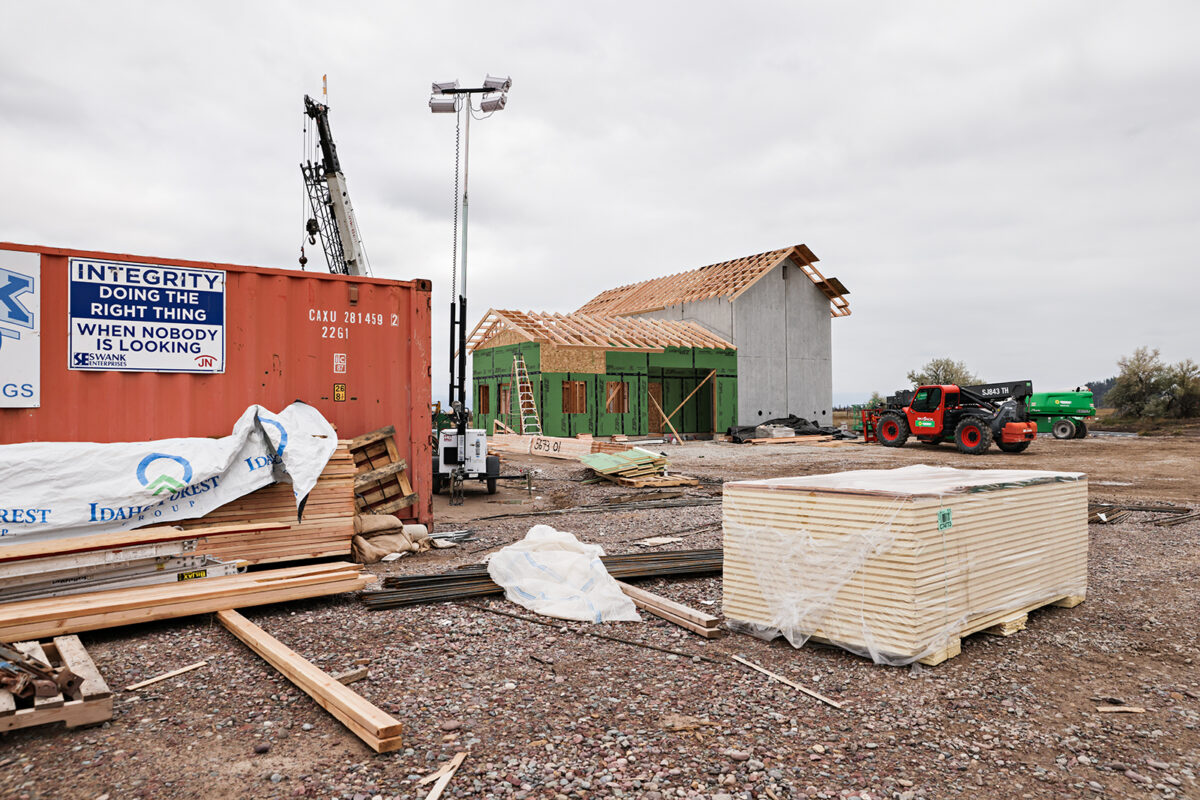
Lakeside County Water and Sewer District ratepayers may soon see a new bond assessed on their properties to help get the district’s expansion project over the finish line. District officials began designing a new facility in 2021, after realizing the existing wastewater holding ponds were at capacity. The $14.8 million special assessment would finance the final stages of phase two of the project, which is currently under construction. The bond would be spread evenly across the district’s 1,442 current properties over 30 years with a 3% interest rate, resulting in an annual assessment of $520.55 per property. Somers ratepayers would also help cover the associated costs, likely through a rate increase. As future subdivisions are built and added to the district, the annual payment will be distributed among the new lots, lowering the average cost for all properties, General Manager Rodney Olson said.
This excerpt comes from the named source. Read the original for the full reporting.
Read the original at Flathead Beacon