Local
Lapses against run are hidden concern in Bears' defense as they face Lions star RB Jahmyr Gibbs
A Roundtable is a way to meet new people and discuss this article in person at a local coffee shop or other venue.
Roundtables are designed for groups of four, with a shared subject and room for everyone to speak. Come for discussion, with no dating expectation.
Source: Chicago Sun-Times
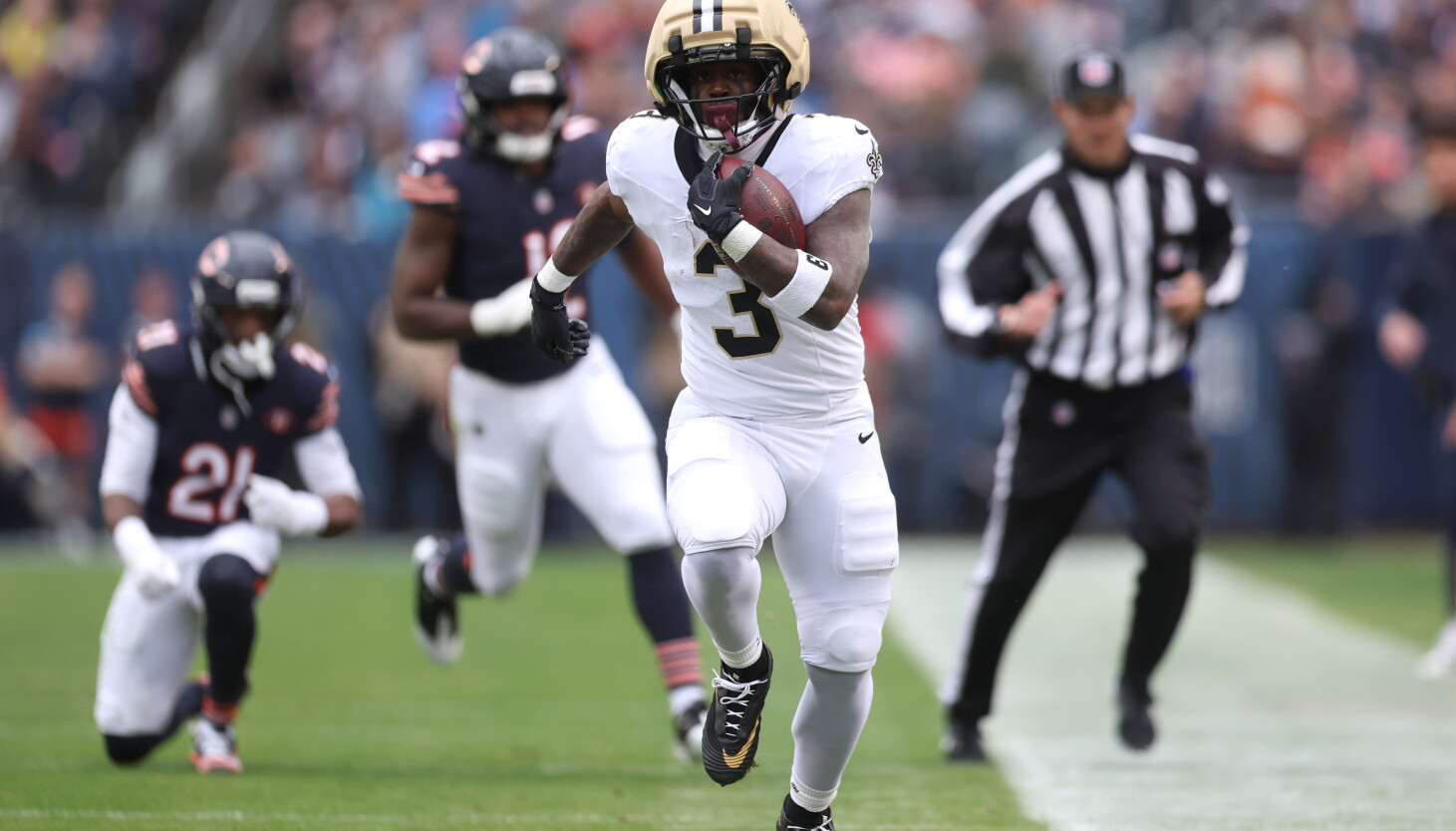
The Bears flipped their defense from a liability to a strength last month when they traded for defensive tackle Jeffery Simmons, who made the defensive line fearsome. But if they’re going to make a Super Bowl run, the defense needs to do more, and that starts with tightening up against the run. The defense may have saved the Bears on Sunday in their 21-13 victory against the lowly Saints, but there’s no glossing over allowing 5.5 yards per carry as the Saints reached 120 yards, their fourth-highest rushing total this season. Defensive coordinator Dennis Allen said Monday his group did “a pretty good job,” other than allowing Saints running back Travis Etienne to burn it for a 46-yard run and quarterback Tyler Shough to scramble for 30 yards. Outside of those plays, the Bears held the Saints to 2.2 yards per carry. But those plays count, and the mistakes were many.
This excerpt comes from the named source. Read the original for the full reporting.
Read the original at Chicago Sun-Times


