Local
Lawmakers, Community Partners Highlight New Law Helping Foster Children
Meet in Common connects news with real conversations. Use ThinkMatch to arrange a Roundtable and meet people to discuss this story.
Roundtables are designed for groups of four, with a shared subject and room for everyone to speak. Come for discussion, with no dating expectation.
Source: Ponca City Now
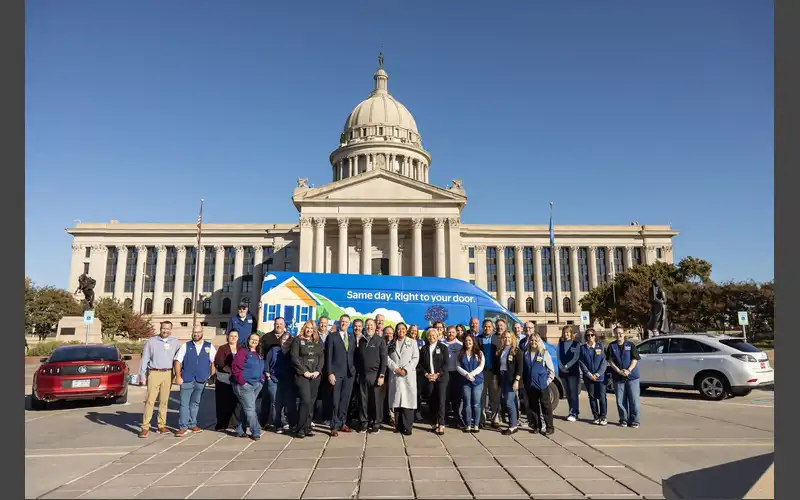
Generous Donations Supplement Funding for Duffel Bags, Personal Care Items for Kids OKLAHOMA CITY – Senate Appropriations Chairman Chuck Hall and House Appropriations Vice Chairman John Kane hosted Walmart leaders, community partners and guests at the state Capitol to celebrate efforts to provide greater support for Oklahoma foster children in alignment with Senate Bill 1377. The newly enacted law authored by Hall, R-Perry, and Kane, R-Bartlesville, makes the transition for foster kids easier by directing the Oklahoma Department of Human Services to provide a duffel bag or suitcase with personal care items for each child, ensuring they have the necessities to feel at home in any setting. The bill’s authors thanked Walmart and other generous community partners for donating duffel bags, personal hygiene products and books for foster children as part of this effort to make them feel comfortable in new homes.
This excerpt comes from the named source. Read the original for the full reporting.
Read the original at Ponca City Now