Local
Lawmakers, snap into action for those who can’t feast this Thanksgiving
A Roundtable is a way to meet new people and discuss this article in person at a local coffee shop or other venue.
Roundtables are designed for groups of four, with a shared subject and room for everyone to speak. Come for discussion, with no dating expectation.
Source: Chicago Sun-Times
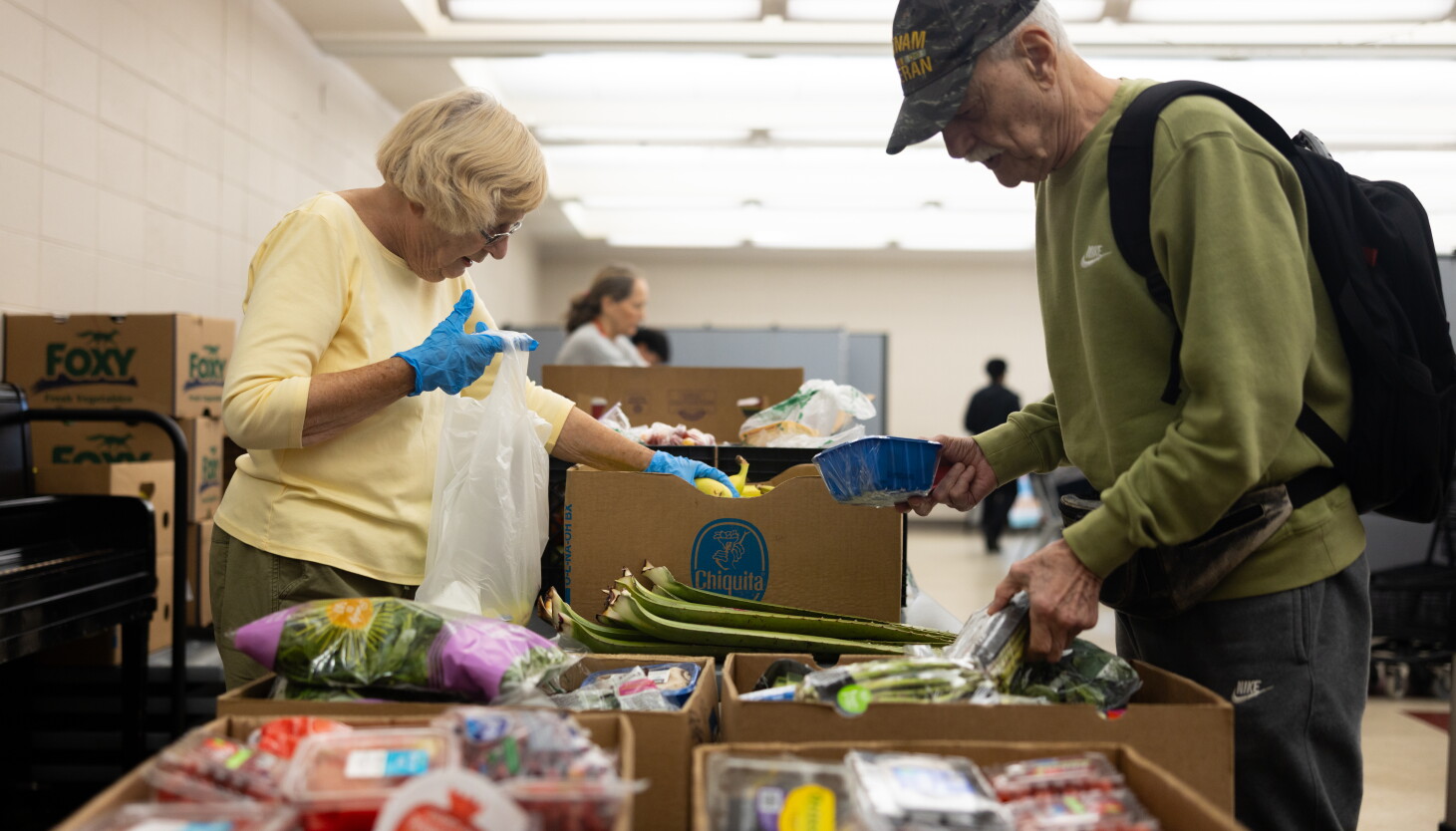
Every family has their own traditions for a Thanksgiving menu. It could start with classics like turkey and stuffing, or maybe you skip turkey altogether and focus on the sides. There might be secret recipes passed down through generations, or dishes from ancestral homelands. In my opinion, you can’t go wrong when you have good food and good people. This is the fun of planning Thanksgiving dinner. But for too many families this year, putting a menu together involves a different kind of planning — whether they can afford a meal at all. The cost of a basic meal, let alone a holiday feast, is simply out of reach for thousands of households across the Chicago area. Our neighbors are facing impossible choices. Food or medicine? Groceries or gas? How do we stretch what’s left in the refrigerator until the next paycheck clears?
This excerpt comes from the named source. Read the original for the full reporting.
Read the original at Chicago Sun-Times



