Local
Lawsuit seeks to block Missouri restrictions on SNAP purchases of soda, candy
A Roundtable is a way to meet new people and discuss this article in person at a local coffee shop or other venue.
Roundtables are designed for groups of four, with a shared subject and room for everyone to speak. Come for discussion, with no dating expectation.
Source: Star Journal
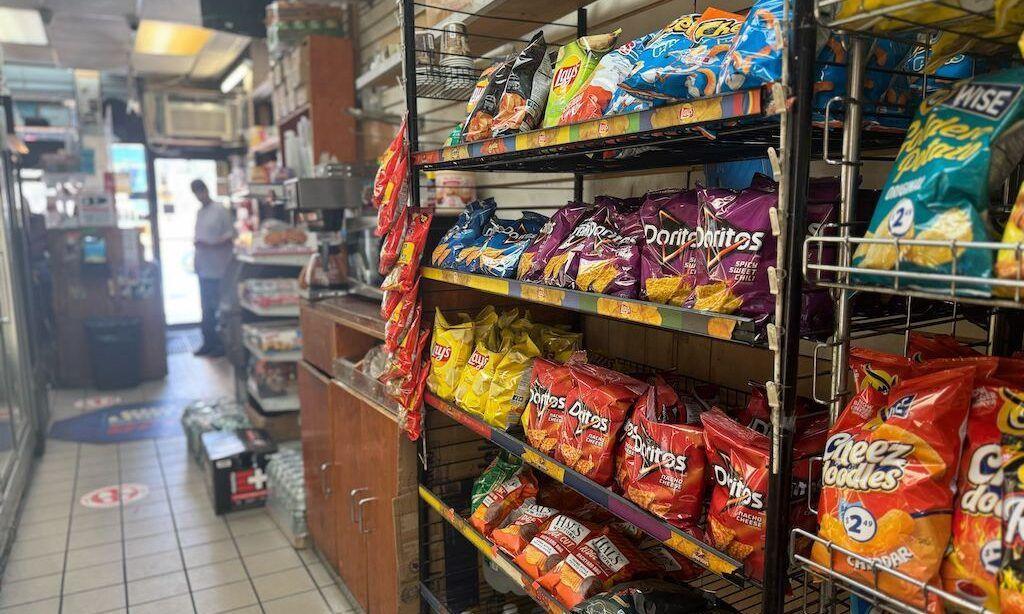
A lawsuit filed Wednesday seeks to block more states from restricting what kind of items food stamp recipients can buy. Led by the National Center for Law and Economic Justice, the class action lawsuit seeks to strike down restrictions on products such as candy and soda in 18 states for recipients of the Supplemental Nutrition Assistance Program, or SNAP. It targets Arkansas, Florida, Hawaii, Idaho, Indiana, Kansas, Louisiana, Missouri, Montana, Nevada, North Dakota, Ohio, Oklahoma, South Carolina, Texas, Utah, Virginia and Wyoming. In previous litigation, a judge already blocked state and federal efforts to use waivers to restrict SNAP purchases in Colorado, Iowa, Nebraska, Tennessee and West Virginia. “These unlawful waivers serve as a backdoor method to restrict access to SNAP,” Katharine Deabler-Meadows, senior attorney at the national center, said in a Wednesday news release.
This excerpt comes from the named source. Read the original for the full reporting.
Read the original at Star Journal