Local
Leaders choose Spain’s former central bank head as next European Central Bank president
A Roundtable is a way to meet new people and discuss this article in person at a local coffee shop or other venue.
Roundtables are designed for groups of four, with a shared subject and room for everyone to speak. Come for discussion, with no dating expectation.
Source: Eagle Valley Enterprise
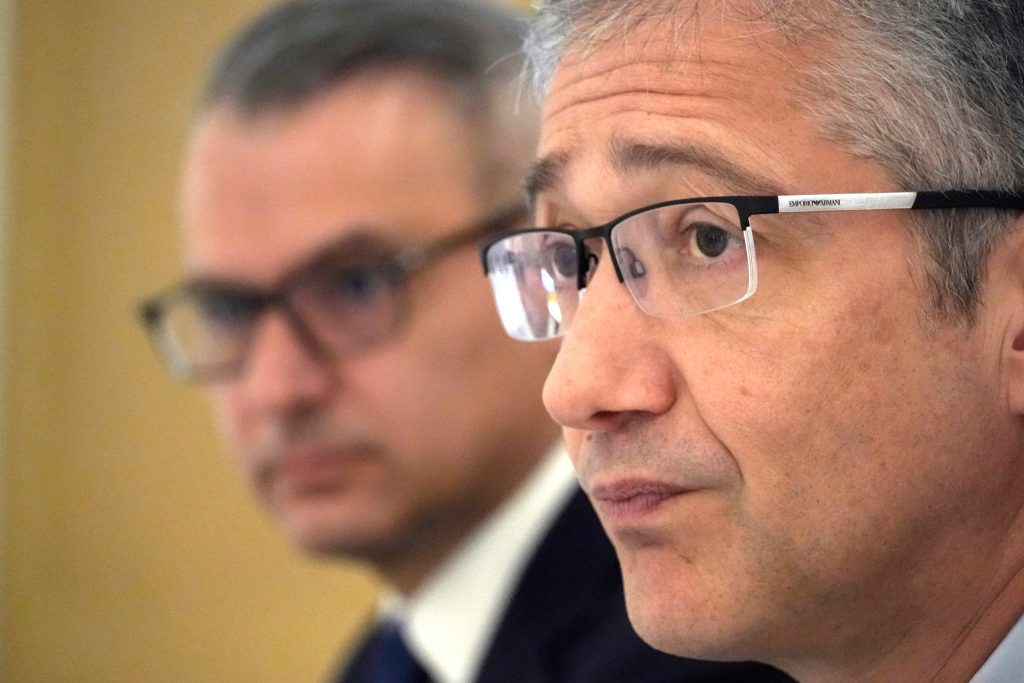
BRUSSELS — European leaders have chosen the former head of Spain’s central bank, Pablo Hernández de Cos, to succeed Christine Lagarde as president of the European Central Bank as the key EU institution confronts inflation driven by the war in Iran and worries about high government debt and borrowing costs in Europe. Leaders from the 21 European member countries that use the euro also filled two other top posts at the ECB, which decides borrowing costs for the 359 million people in the eurozone. European Council President António Costa said on X that the body agreed on the three appointments at a summit in Brussels. De Cos’ nomination still must pass review by the European Parliament and the ECB’s governing council, but those steps are formalities.
This excerpt comes from the named source. Read the original for the full reporting.
Read the original at Eagle Valley Enterprise


