Local
Life After 18: Navigating adulthood
A Roundtable is a way to meet new people and discuss this article in person at a local coffee shop or other venue.
Roundtables are designed for groups of four, with a shared subject and room for everyone to speak. Come for discussion, with no dating expectation.
Source: Pahrump Valley Times
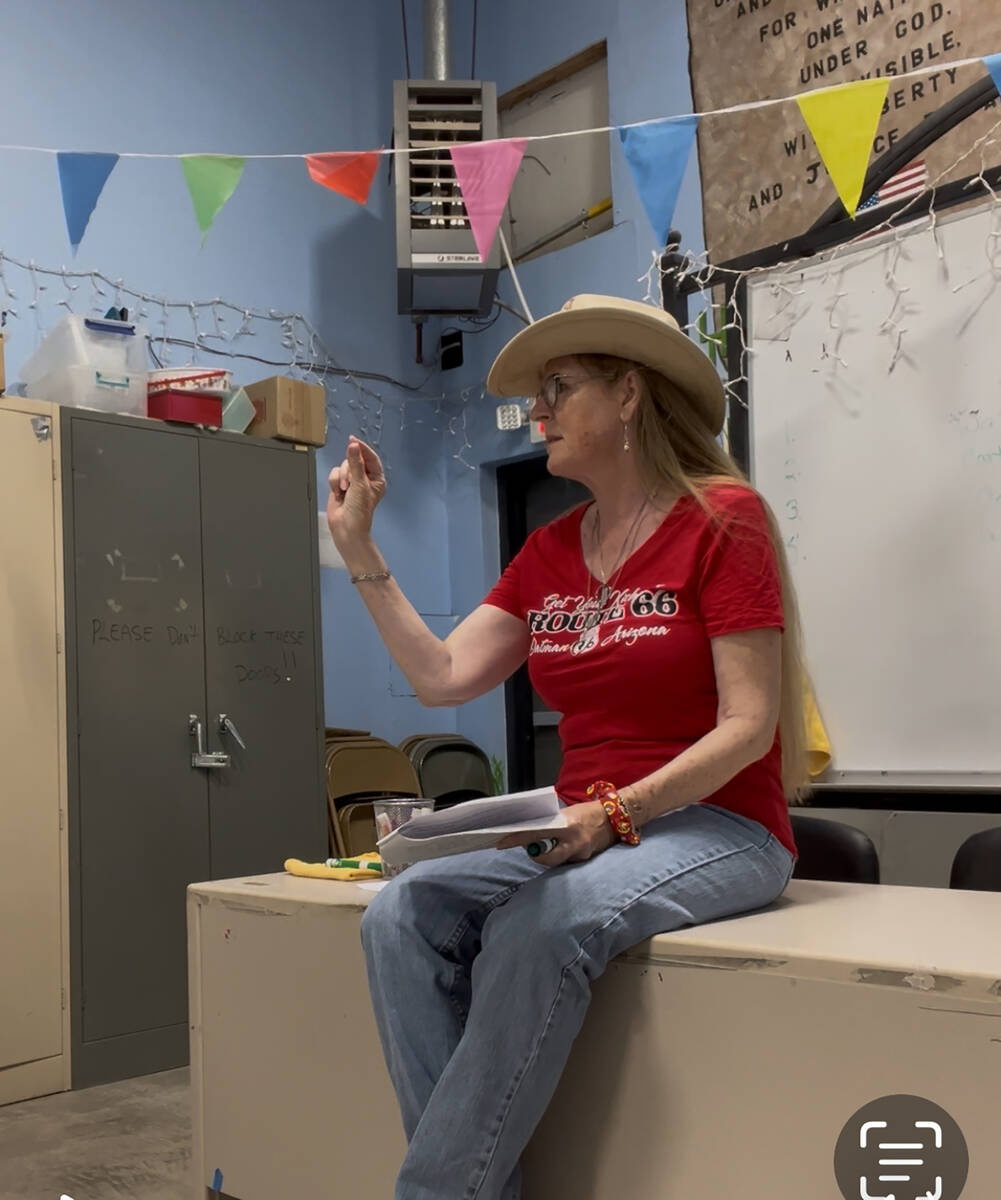
Author Jan Nast is the founder of Life After 18, a situational life skills program. Life after 18 is taught by Nast, in-person and online. (Life After 18)“All these things I talk about and I teach, I have lived it, or my kids have lived it, or both. That’s where it all comes from,” Life After 18 found Jan Nast said. (Life After 18)More StoriesChristmas Benefit Show bringing festive footwork and holiday cheerPHOTOS — Cherishing the culture of America’s Indigenous peoplesLetters to the EditorEDITORIAL: Study: School cellphone bans help plug the leak By Elijah Dulay / Pahrump Valley Times November 27, 2026 - 4:42 am Determinations, understanding and positive outcomes are at the heart of Jan Nast’s program, Life After 18. “I help kids to make better informed decisions by giving them all this information,” Nast told the Pahrump Valley Times.
This excerpt comes from the named source. Read the original for the full reporting.
Read the original at Pahrump Valley Times


