Local
Linda Fiorentino Starred in Men in Black — Then Vanished, and Her Bankruptcy Filing Later Showed $300,000 in Debt and Just $10,000 in Assets. Here’s What Happened
Meet in Common connects news with real conversations. Use ThinkMatch to arrange a Roundtable and meet people to discuss this story.
Source: Fortress of Solitude
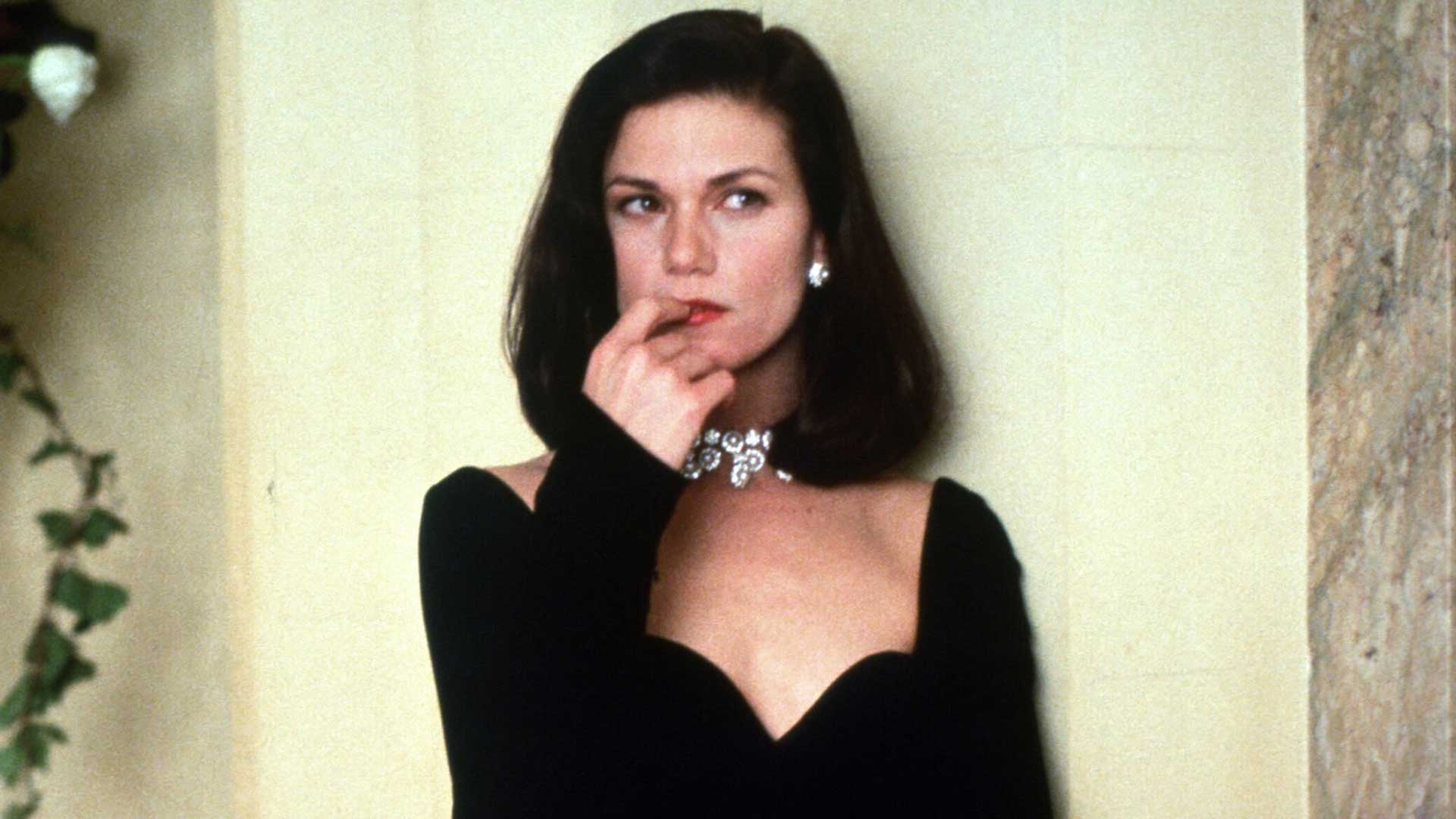
Linda Fiorentino was born in South Philadelphia in 1958, the third of eight children in a large Italian-American family. She studied at Rosemont College before heading to New York to train at Circle in the Square Theater School . To make ends meet, she picked up bar shifts at a local nightclub alongside another then-unknown actor: Bruce Willis. Early in her career, Fiorentino landed her debut role as Carla in Vision Quest (1985). That same year, she appeared in Martin Scorsese’s After Hours and landed the female lead in the action film Gotcha!. Not a bad way to kick off a film career. And these early roles set the tone for the smart, tough character Fiorentino would become known for. Linda Fiorentino’s Femme Fatale Era: The Last Seduction, Men in Black, and Dogma Image Credit: October Films Next came The Last Seduction in 1994, where she played the calculating Bridget Gregory — a celebrated role that cemented her as a formidable femme fatale.
This excerpt comes from the named source. Read the original for the full reporting.
Read the original at Fortress of Solitude