Local
Live Oak Charleston Hotel Blends Contemporary Beauty With South Carolina’s Historic Charm
A Roundtable is a way to meet new people and discuss this article in person at a local coffee shop or other venue.
Roundtables are designed for groups of four, with a shared subject and room for everyone to speak. Come for discussion, with no dating expectation.
Source: My Modern Met
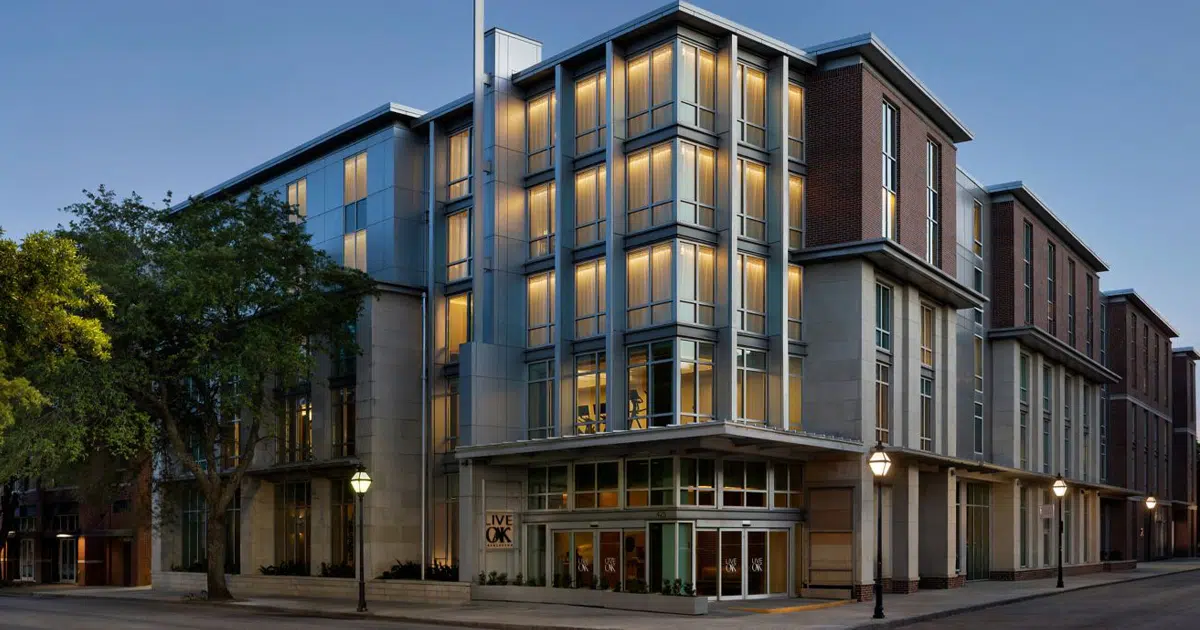
Nestled within Charleston, South Carolina’s storied cobblestone streets is a new hotel that blends luxury with a strong sense of place. The Live Oak Charleston opened for bookings in April 2026, and with it, the boutique accommodation promises a balanced and restorative stay—whether you’re in the city for business or pleasure. Located on Meeting Street in the historic district, the central location is just steps away from Charleston’s renowned dining, boutiques, and cultural landmarks. But when you’re ready to recharge, the hotel will help you do it with its well-appointed rooms, saltwater pool, state-of-the-art fitness center, and in-house fine dining. Live Oak Charleston is a Tribute Portfolio Hotel, which is part of Marriott’s independent hotels worldwide. It boasts 120 rooms with modern design elements that complement the city’s centuries-old architecture, but with a contemporary spin. The hotel’s name refers to a Live Oak tree, which is an iconic part of the South.
This excerpt comes from the named source. Read the original for the full reporting.
Read the original at My Modern Met


